Call: +27834270994
 Send Inquiry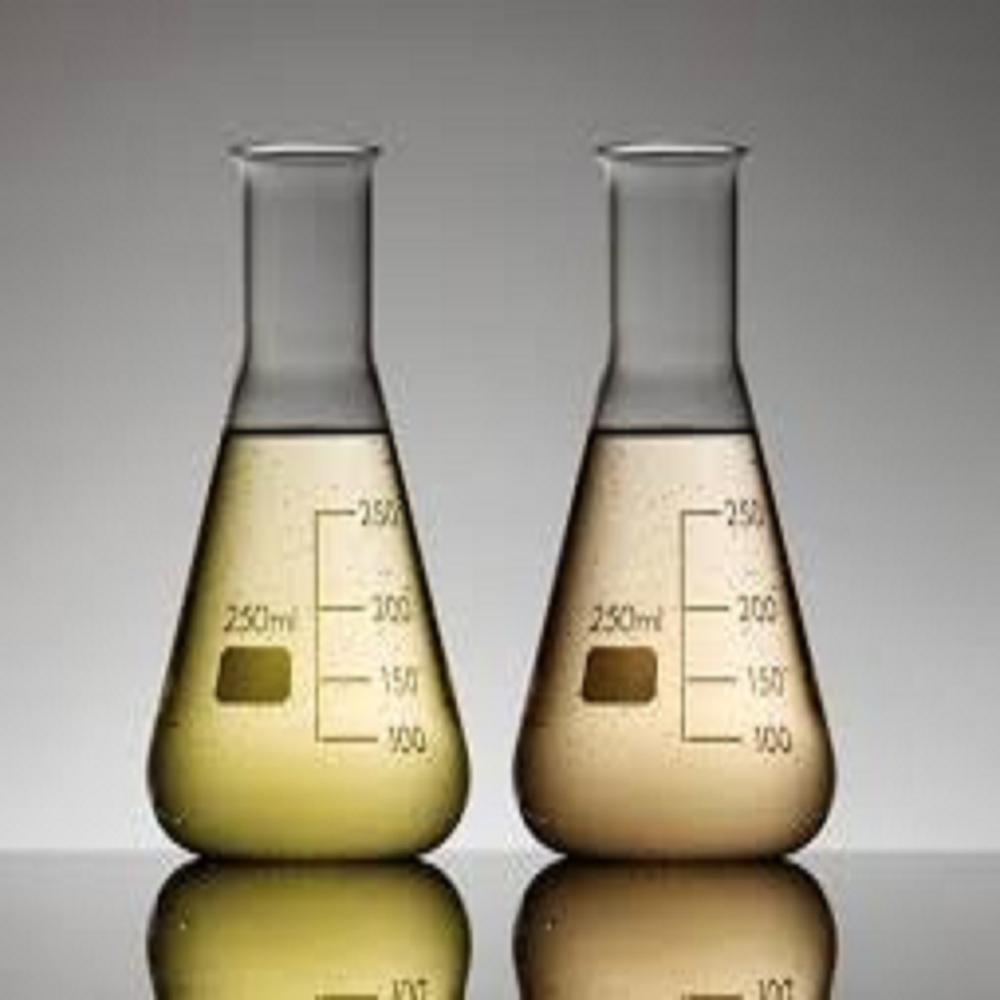
Fuel ethanol
85.0 USD ($)/Metric Ton
Product Details:
- Smell Characteristic alcoholic odor
- Ph Level Neutral (pH ~7 in aqueous solution)
- Refractive Rate 1.361 at 20C
- Melting Point -114C
- Usage Direct use in internal combustion engines (E85, E10, or pure ethanol), blending, biofuel production
- Physical Form Liquid
- Structural Formula CH3CH2OH
- Click to View more
X
Fuel ethanol Price And Quantity
- 50 Metric Ton
- 85.0 USD ($)/Metric Ton
Fuel ethanol Product Specifications
- 46.07 g/mol
- Completely miscible with water
- 64-17-5
- 200-578-6
- Clear to pale yellow transparent liquid
- Yes, toxic if consumed
- Typically 99.5%
- Burning, slightly sweet (toxic, not for consumption)
- Biofuel / Alcohol
- Volatile, flammable, miscible with water, burns with blue flame, low viscosity, colorless to pale yellow tint variant
- Formless (Liquid state)
- Primarily ethanol (C2H5OH), minor impurities from fermentation/distillation
- Up to 2 years if stored properly, but hygroscopic nature may halve shelf life if exposed
- Liquid
- CH3CH2OH
- C2H5OH
- Fuel Grade
- Used as automotive fuel or fuel additive (blending with gasoline), antiseptic, industrial solvent
- 2207.10
- Store in tightly sealed container, cool, dry, well-ventilated area away from heat/flame
- 0.789 Gram per cubic centimeter(g/cm3)
- Neutral (pH ~7 in aqueous solution)
- 1.361 at 20C
- Characteristic alcoholic odor
- Direct use in internal combustion engines (E85, E10, or pure ethanol), blending, biofuel production
- -114C
- Harmful via ingestion, inhalation, or skin absorption; irritant
- May contain denaturants (e.g., methanol, bitrex) for fuel classification
- 1.59 (air = 1)
- Biodegradable, renewable; considered cleaner alternative to fossil fuels
- Bulk tankers, steel drums, HDPE drums, IBC totes
- Stable under recommended storage conditions
- 13C (closed cup)
- Miscible with water, acetone, ether, and many organic solvents
- Fermentation of biomass (e.g., corn, sugarcane) and distillation/purification
- 1.2 mPas (at 20C)
- Typically <0.5% in anhydrous fuel ethanol
- Clear to pale yellow
- 365C
- 0.789 (at 20C)
- ASTM D4806, EN 15376 (for fuel ethanol)
- 78.37C
- 5.95 kPa at 20C
- Lower: 3.3% ; Upper: 19% by volume in air
- 363C
Fuel ethanol Trade Information
- South Africa
- Paypal, Days after Acceptance (DA), Delivery Point (DP)
- 50 Metric Ton Per Week
- 50 Week
Product Description
Unlock the power of Premium Fuel Ethanol, a high-purity, renewable energy solution designed to fuel vehicles, industrial equipment, and power generation systems. Our fuel ethanol is derived from natural plant-based sources, making it a sustainable and eco-friendly alternative to traditional fossil fuels.
With its superior energy output and lower carbon footprint, fuel ethanol is the leading choice for reducing greenhouse gas emissions while boosting fuel efficiency. Its ideal for use in flex-fuel vehicles, blended gasoline, and other biofuel applications, offering a cleaner, greener alternative to petroleum-based fuels.
Our ethanol fuel is produced with stringent quality control standards to ensure high purity, stability, and consistent performance. As the demand for renewable energy grows, fuel ethanol continues to play a critical role in the global transition toward sustainable and renewable energy solutions.
Renewable Fuel with Versatile Uses
Fuel ethanol is sourced through sustainable biomass fermentation and distillation processes. It is primarily blended with gasoline to reduce emissions, making it a key component in cleaner automotive fuels worldwide. Ethanol's complete miscibility with water and many organic solvents allows for diverse applications in industries beyond fuel, including use as a solvent or antiseptic.
Safe Handling and Storage Recommendations
Although fuel ethanol is stable under recommended storage conditions, its volatility and flammability require careful handling. Proper storage in tightly sealed containers away from heat sources is essential. Direct contact, ingestion, or inhalation should be avoided due to its toxicity, and the use of denaturants prohibits accidental consumption.
Environmental and Economic Benefits
As a biodegradable and renewable product, fuel ethanol reduces reliance on fossil fuels and diminishes greenhouse gas emissions when blended with gasoline. This environmental advantage, coupled with its sustainability, supports global energy goals and helps create economic opportunities in agricultural sectors.
FAQ's of Fuel ethanol:
Q: How is fuel ethanol produced?
A: Fuel ethanol is made by fermenting biomass such as corn or sugarcane, followed by distillation and purification processes to achieve high purity (typically 99.5%). This production method relies on renewable resources, making ethanol a sustainable energy option.Q: What are the primary applications of fuel ethanol?
A: The main use of fuel ethanol is as an automotive fuel or fuel additive, often blended with gasoline (e.g., E10, E85) to reduce emissions. Additionally, ethanol serves as an industrial solvent and antiseptic in various sectors.Q: Where should fuel ethanol be stored to ensure safety and product longevity?
A: Fuel ethanol should be stored in tightly sealed containers made of compatible materials (such as steel or HDPE) in cool, dry, and well-ventilated areas, away from sources of heat or open flame to prevent fire hazards and moisture absorption.Q: What safety measures should be considered when handling fuel ethanol?
A: Fuel ethanol is flammable and toxic by ingestion, inhalation, or skin absorption. Use protective gear, ensure good ventilation, and keep ethanol away from ignition sources. Never consume fuel ethanol, as it contains toxic denaturants.Q: What are the environmental benefits of using fuel ethanol over fossil fuels?
A: Fuel ethanol is biodegradable, renewable, and generates fewer greenhouse gas emissions when used as a fuel additive. This helps reduce the environmental impact of transportation and supports efforts to combat climate change.Q: How long does fuel ethanol remain usable, and what affects its shelf life?
A: Fuel ethanol remains stable for up to two years when properly stored. However, exposure to moisture can reduce its shelf life, due to its hygroscopic nature, so keeping containers tightly sealed is crucial.Tell us about your requirement

Price:
Quantity
Select Unit
- 50
- 100
- 200
- 250
- 500
- 1000+
Additional detail
Mobile number
Email

Other Products in 'Industrial Chemical' category

Contact Details
PAGE GLOBAL EXPORT (PTY) LTD.
- 1, Charles Street, Bloemfontein - 9301, Free State, South Africa
- Phone :+27--834270994

 Send Inquiry
Developed and Managed by Infocom Network Private Limited.
