Call: +27834270994
 Send Inquiry
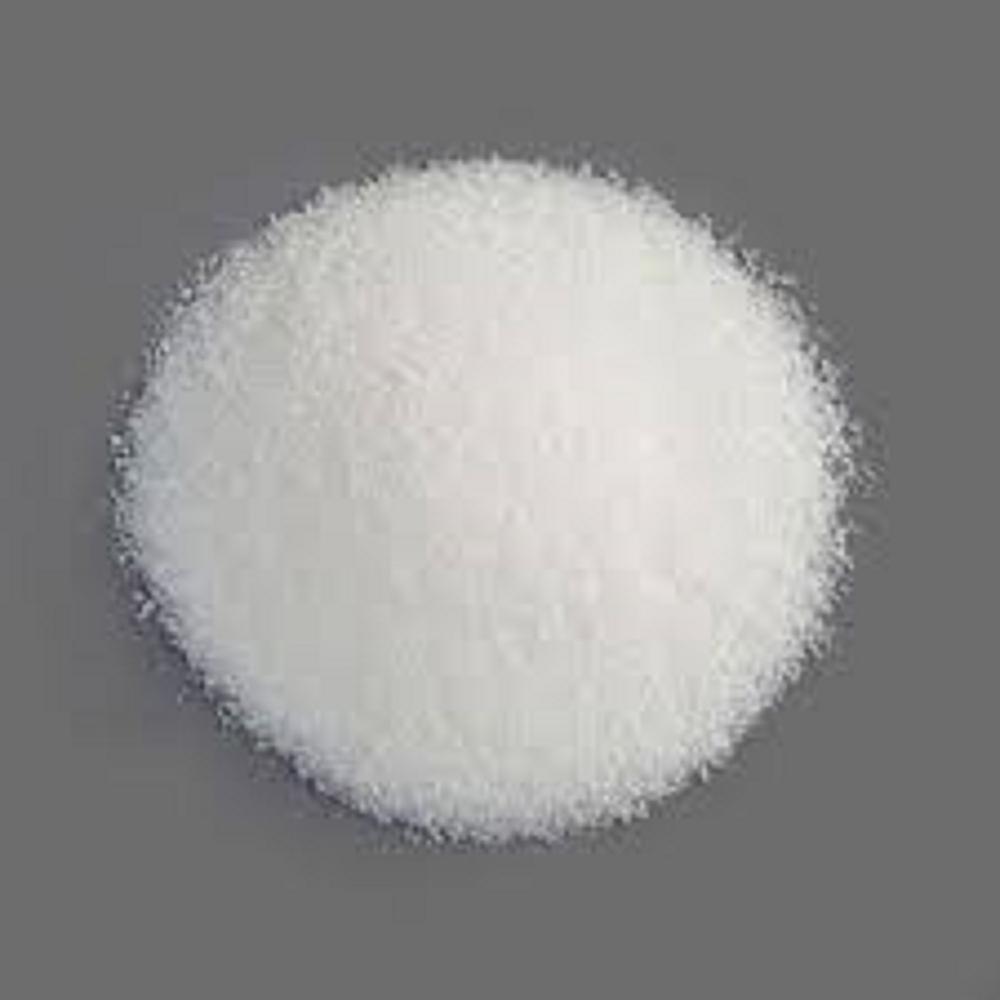
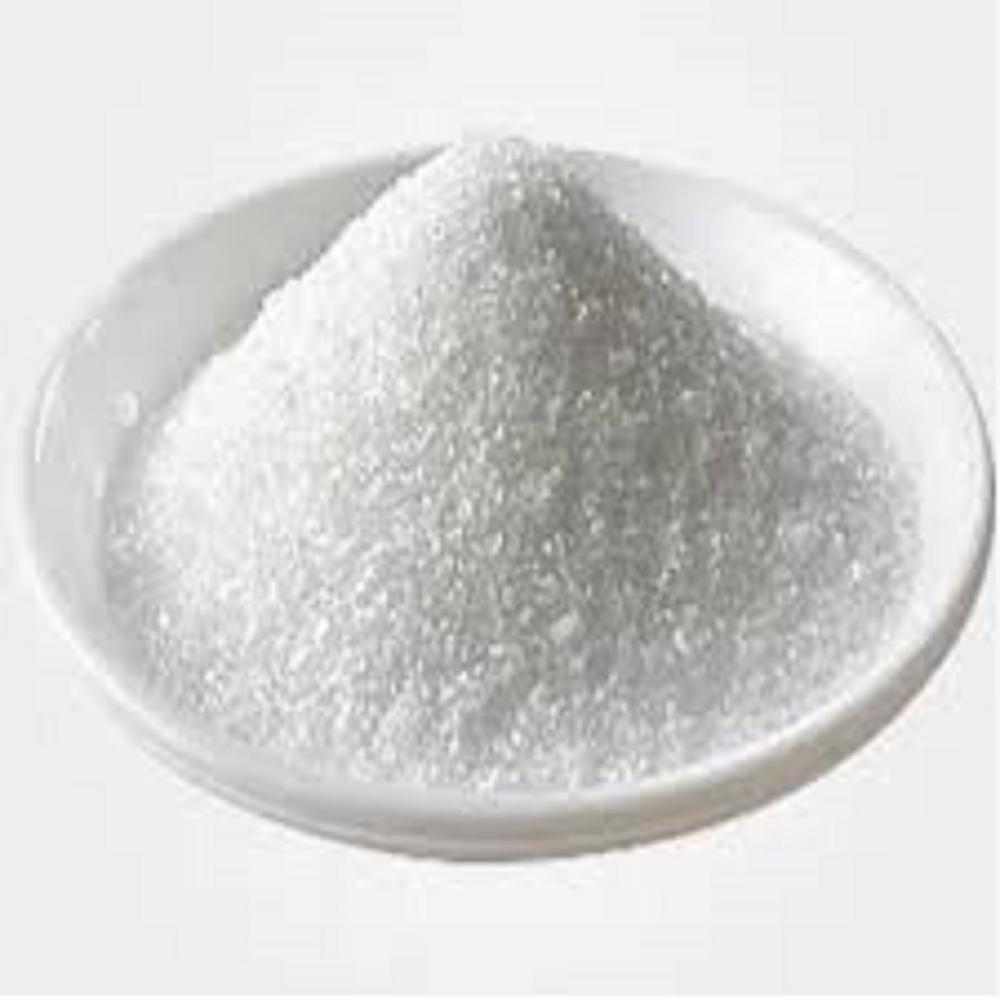
Sodium stearoyl lactylate
260.0 USD ($)/Metric Ton
Product Details:
- Density 0.4 Gram per cubic centimeter(g/cm3)
- CAS No 18200-72-1
- Application Bakery, dairy, desserts, beverages, confectionery, noodles
- Storage Store in cool, dry place, tightly sealed container
- Physical Form Powder
- Usage As an emulsifier and dough conditioner in food processing
- EINECS No 242-127-6
- Click to View more
X
Sodium stearoyl lactylate Price And Quantity
- 50 Metric Ton
- 260.0 USD ($)/Metric Ton
Sodium stearoyl lactylate Product Specifications
- 4.7-5.3 (1% solution)
- 24 months
- 38231900
- C21H39NaO5
- Emulsifier/Food Additive
- 18200-72-1
- 0.4 Gram per cubic centimeter(g/cm3)
- Bakery, dairy, desserts, beverages, confectionery, noodles
- Powder
- As an emulsifier and dough conditioner in food processing
- Store in cool, dry place, tightly sealed container
- 242-127-6
- 95%
- White to off-white powder
- Neutral to slightly fatty
- NO
- Fine granular or powder
- Food Grade
- Slightly soluble in water, soluble in hot water and ethanol
- Sodium salt of stearoyl lactylic acid
- 42-45C
- Improves texture, shelf life, and volume; acts as dough conditioner and stabilizer
- Odorless or faint fatty odor
- 410.52 g/mol
- See molecular formula: C21H39NaO5
- <1 ppm
- Stable under normal processing conditions
- Not detected
- Approved as E481 under EU regulations
- Emulsifying, stabilizing, dispersing, dough strengthening
- 25 kg fiber drum or kraft bag with liner
- Allergen-free
- Total Plate Count < 5,000 CFU/g, Yeast & Mold < 200 CFU/g
- <2 ppm
- SSL, Sodium Stearoyllactylate, E481
- <10 ppm
- 80-120 mesh
Sodium stearoyl lactylate Trade Information
- South Africa
- Paypal, Days after Acceptance (DA), Delivery Point (DP)
- 50 Metric Ton Per Week
- 50 Week
Product Description
Sodium Stearoyl Lactylate (SSL) is a highly effective, food-grade emulsifier and dough conditioner widely used in the baking and food processing industries. Known for its excellent performance in improving dough strength, volume, and shelf-life, SSL is a key ingredient in commercial bread, rolls, tortillas, and non-dairy creamers.
Derived from lactic acid and stearic acid, sodium stearoyl lactylate is both GRAS-certified and widely accepted in clean-label formulations. It works by enhancing gluten network formation, resulting in improved gas retention, softer crumb texture, and extended freshness. SSL is also effective in water-oil emulsification, making it ideal for processed foods, whipped toppings, sauces, and beverage emulsions.
Whether you are a large-scale bakery, snack food manufacturer, or food technologist formulating stable and appealing products, Sodium Stearoyl Lactylate offers performance, versatility, and compliance with food safety regulations.
Versatile Food Grade Emulsifier
SSL (Sodium stearoyl lactylate) acts as a superior emulsifier, stabilizer, and dough conditioner for various food applications. Its functionality spans across baked goods, dairy, desserts, confectionery, and noodles, where it improves texture, increases shelf life, and enhances product volume. Approved under EU regulations (E481), SSL is recognized for its safety, consistency, and efficacy in food processing.
Safety and Quality Guaranteed
Each batch of SSL is meticulously tested for purity, heavy metals, residual solvents, and microbiological status. Only food-grade material is supplied, with heavy metals less than 10 ppm, lead content below 2 ppm, and total plate counts under 5,000 CFU/g. The ingredient is allergen-free and has no detected toxins, making it suitable for sensitive product formulations.
Easy Handling and Storage
Sodium stearoyl lactylate is supplied in a user-friendly powder form, retaining stability under normal processing conditions. Ingredients are packed in 25 kg fiber drums or kraft bags with liners, designed for easy transport and long shelf life. For best results, store SSL in a cool, dry place in tightly sealed containers.
FAQ's of Sodium stearoyl lactylate:
Q: How is Sodium stearoyl lactylate (SSL) used in food processing?
A: SSL is used as an emulsifier, stabilizer, and dough conditioner in a range of food products, including bakery items, dairy, desserts, beverages, and noodles. It helps blend ingredients, improve texture, strengthen dough, and prolong the shelf life of finished products.Q: What benefits does SSL offer to bakeries and food manufacturers?
A: SSL provides multiple functional benefits such as enhancing dough strength, increasing bread or cake volume, improving crumb structure, and extending product freshness. Its emulsifying properties help achieve a consistent texture and appearance in various recipes.Q: Is Sodium stearoyl lactylate safe for all consumers?
A: Yes, SSL is food-grade, allergen-free, and approved for food use under EU regulations (E481). It meets strict safety criteria for purity and low heavy metal content, making it suitable for most food applications and consumer groups.Q: When should SSL be added during food production?
A: SSL is typically added during the mixing phase of dough or batter preparation to ensure even distribution. Its powder form makes it easy to incorporate into dry mixes or directly into processing systems.Q: Where can SSL be stored to maintain its quality?
A: To maintain its integrity and prolong shelf life, SSL should be stored in a cool, dry place within a tightly sealed container, away from moisture, strong odors, and direct sunlight.Q: What is the shelf life of Sodium stearoyl lactylate and how should it be packaged?
A: SSL has a shelf life of 2 years (24 months) when stored properly. It is packaged in 25 kg fiber drums or kraft bags with protective liners to ensure product quality during storage and transport.Q: What process ensures the safety and suitability of SSL for food applications?
A: Every batch of SSL is subject to rigorous quality control, checking for residual solvents (none detected), heavy metals (<10 ppm), and microbiological safety (total plate count <5000 CFU/g, yeast & mold <200 CFU/g). These processes ensure the product consistently meets food-grade standards.Tell us about your requirement

Price:
Quantity
Select Unit
- 50
- 100
- 200
- 250
- 500
- 1000+
Additional detail
Mobile number
Email

Other Products in 'Chemical Powder' category

Contact Details
PAGE GLOBAL EXPORT (PTY) LTD.
- 1, Charles Street, Bloemfontein - 9301, Free State, South Africa
- Phone :+27--834270994

 Send Inquiry

Developed and Managed by Infocom Network Private Limited.
