Call: +27834270994
 Send Inquiry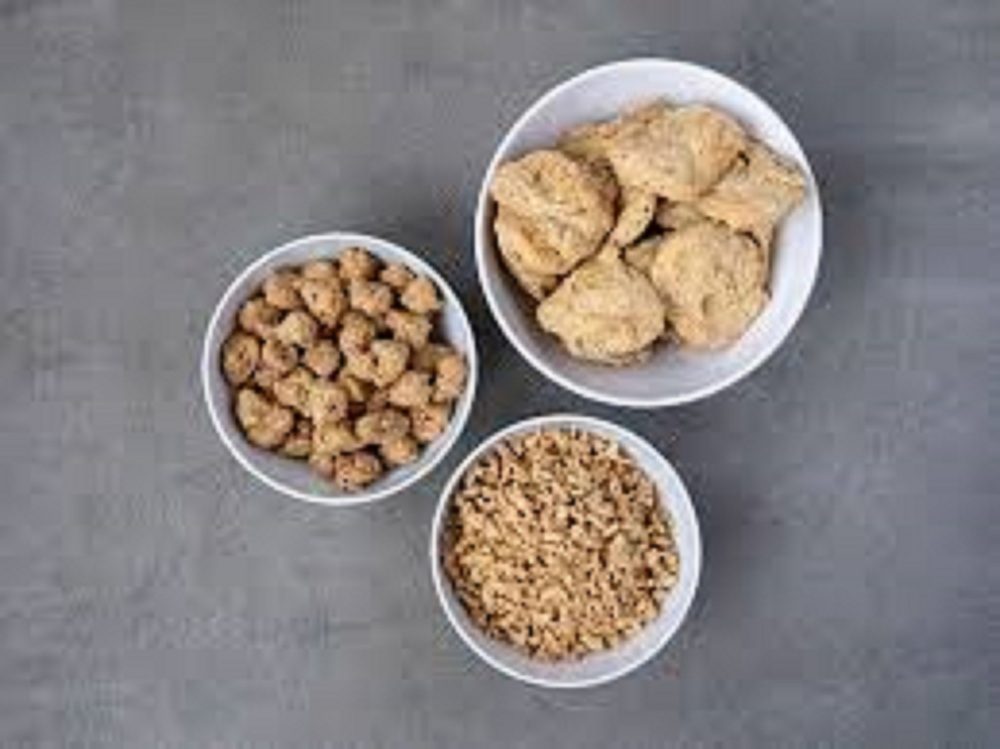
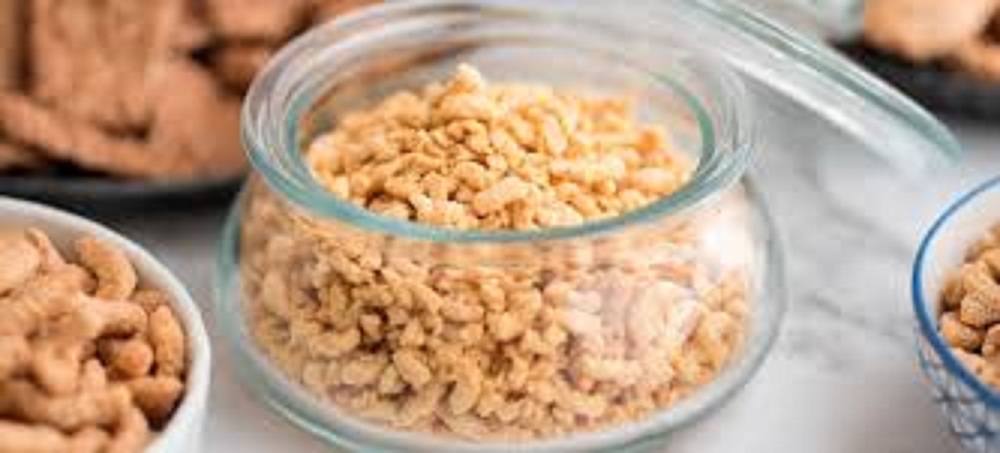
Textured vegetable protein
80 USD ($)/Metric Ton
Product Details:
- Type Textured Vegetable Protein (TVP)
- Main Ingredient Defatted soy flour
- Form Dry, Chunks, Flakes, Granules
- Variety Chunks, Granules, Flakes
- Suitable For Vegetarians, vegans, health-conscious, meat alternative
- Grade Food grade
- Color Light brown to beige
- Click to View more
X
Textured vegetable protein Price And Quantity
- 25 Metric Ton
- 80 USD ($)/Metric Ton
Textured vegetable protein Product Specifications
- Vegetarians, vegans, health-conscious, meat alternative
- 5-10 mg/100g (approx.)
- Less than 1% (low fat content)
- Chunks, Granules, Flakes
- 20-40 mg/100g (approx.)
- Provides plant-based protein for nutritional needs
- 12-18 months
- Absent unless fortified
- Present in trace amounts
- Light brown to beige
- Protein enrichment, meat alternative
- Small amount
- Vegetarian dishes, meat substitute, extenders
- Not naturally present
- Negligible
- Trace amounts
- High, approx. 5-10%
- Below 1%
- Dry, Chunks, Flakes, Granules
- Defatted soy flour
- Below 0.5%
- Less than 10%
- Food grade
- As per requirement in recipes
- High protein, low fat, rich in amino acids
- High content, approx. 2-3 g/100g
- Trace amounts
- Supports cholesterol and heart health
- Less than 7%
- 50-55%
- Textured Vegetable Protein (TVP)
- Available in Non-GMO variants
- Neutral, slightly beany
- Cool, dry place away from sunlight
- Global, especially Indian, Asian, European
- Chunks, 8-12 mm; Flakes, 2-4 mm; Granules, 2-3 mm
- ~300-340 kcal/100g
- Extrusion of defatted soy flour
- 1:2 to 1:3 (TVP:water by weight)
- Contains soy
- Poly bags, cartons, bulk sacks
- 0 mg
- Non-soluble in water, rehydrates quickly
- Bland, absorbs seasonings/flavors easily
Product Description
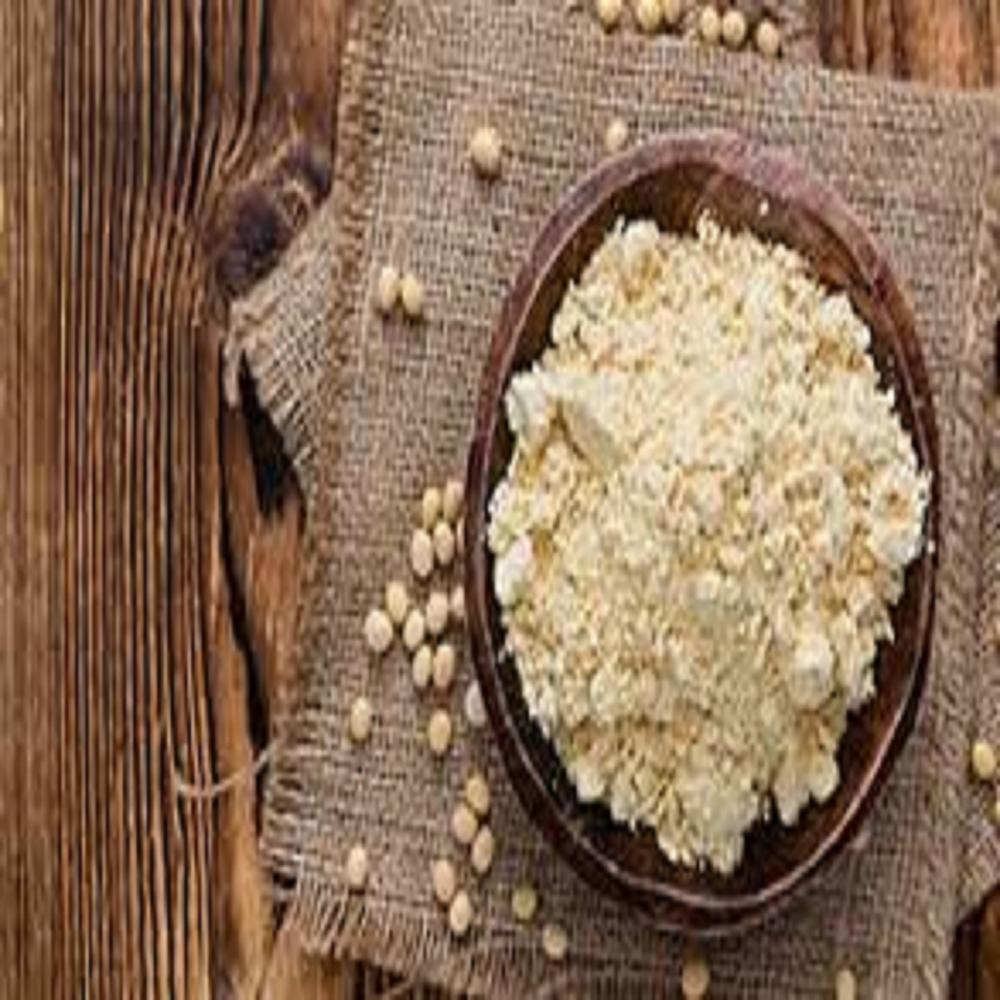
Transform your recipes with the power of Textured Vegetable Protein TVP a highly versatile plantbased protein made from defatted soy flour With a protein content of over 50 this nonGMO cholesterolfree meat substitute is ideal for creating plantbased meats vegan burgers meat extenders sausages tacos and more
TVP is praised for its meaty texture quick hydration and exceptional absorption of flavors and seasonings making it a perfect choice for food manufacturers commercial kitchens and healthconscious consumers Its shelfstable economical and supports cleanlabel highprotein product development
Naturally low in fat high in dietary fiber and free from cholesterol and trans fats textured vegetable protein is an excellent alternative to animalbased protein for vegans vegetarians and flexitarians Available in a variety of sizes and granulations it adapts easily to your specific food application needs
Effortless Cooking and Versatility
TVP's quick rehydration and potent absorption of seasonings make it a favorite ingredient for diverse cuisines globally, including Indian, Asian, and European dishes. Its neutral flavor ensures seamless integration into both traditional and innovative recipes.
Nutritional Profile and Benefits
Offering about 300-340 kcal and 50-55% protein per 100g, TVP provides essential amino acids, high fiber, and is virtually fat-free. It supports heart and cholesterol health by offering a cholesterol-free, low-fat protein alternative suitable for various dietary needs.
Sustainable and Non-GMO Options
Made from defatted soy flour, TVP is available in Non-GMO variants and processed through advanced extrusion, ensuring food-grade quality while supporting health- and environment-conscious consumption.
FAQ's of Textured vegetable protein:
Q: How should Textured Vegetable Protein (TVP) be used in cooking?
A: Combine TVP with water using a 1:2 to 1:3 ratio (by weight) and let it soak briefly; it rehydrates quickly. Once hydrated, it absorbs flavors well and can be incorporated into vegetarian dishes, curries, fillings, and as a meat substitute or extender.Q: What are the primary nutritional benefits of TVP?
A: TVP is high in protein (50-55%), contains ample dietary fiber (5-10%), is extremely low in fat, and provides essential amino acids such as lysine. It's cholesterol-free and supports a heart-healthy diet while catering to vegetarians, vegans, and health-conscious consumers.Q: Where should I store TVP for optimal shelf life?
A: Store TVP in a cool, dry place away from direct sunlight to maintain its shelf life of 12-18 months. Ensure the packaging (poly bags, cartons, or bulk sacks) is properly sealed after opening to prevent moisture absorption.Q: What makes TVP a suitable meat alternative for various applications?
A: Due to its neutral flavor, light brown to beige color, ability to absorb seasonings, and quick rehydration, TVP can mimic the texture and protein content of meat in numerous international cuisines, making it ideal for use as a meat extender or replacement.Q: Is TVP safe for those with allergies or dietary restrictions?
A: TVP contains soy and should be avoided by individuals with soy allergies. However, it is available in Non-GMO variants and suits vegetarian, vegan, and low-cholesterol diets, excluding those with specific soy or legume sensitivities.Q: What processing method is used to create TVP?
A: TVP is produced through extrusion of defatted soy flour, resulting in textured chunks, flakes, or granules of various particle sizes (chunks: 8-12 mm, flakes: 2-4 mm, granules: 2-3 mm), suitable for different culinary needs.Tell us about your requirement

Price:
Quantity
Select Unit
- 50
- 100
- 200
- 250
- 500
- 1000+
Additional detail
Mobile number
Email

Other Products in 'Bird & Animal Feed' category

Contact Details
PAGE GLOBAL EXPORT (PTY) LTD.
- 1, Charles Street, Bloemfontein - 9301, Free State, South Africa
- Phone :+27--834270994

 Send Inquiry
Developed and Managed by Infocom Network Private Limited.
