Call: +27834270994
 Send Inquiry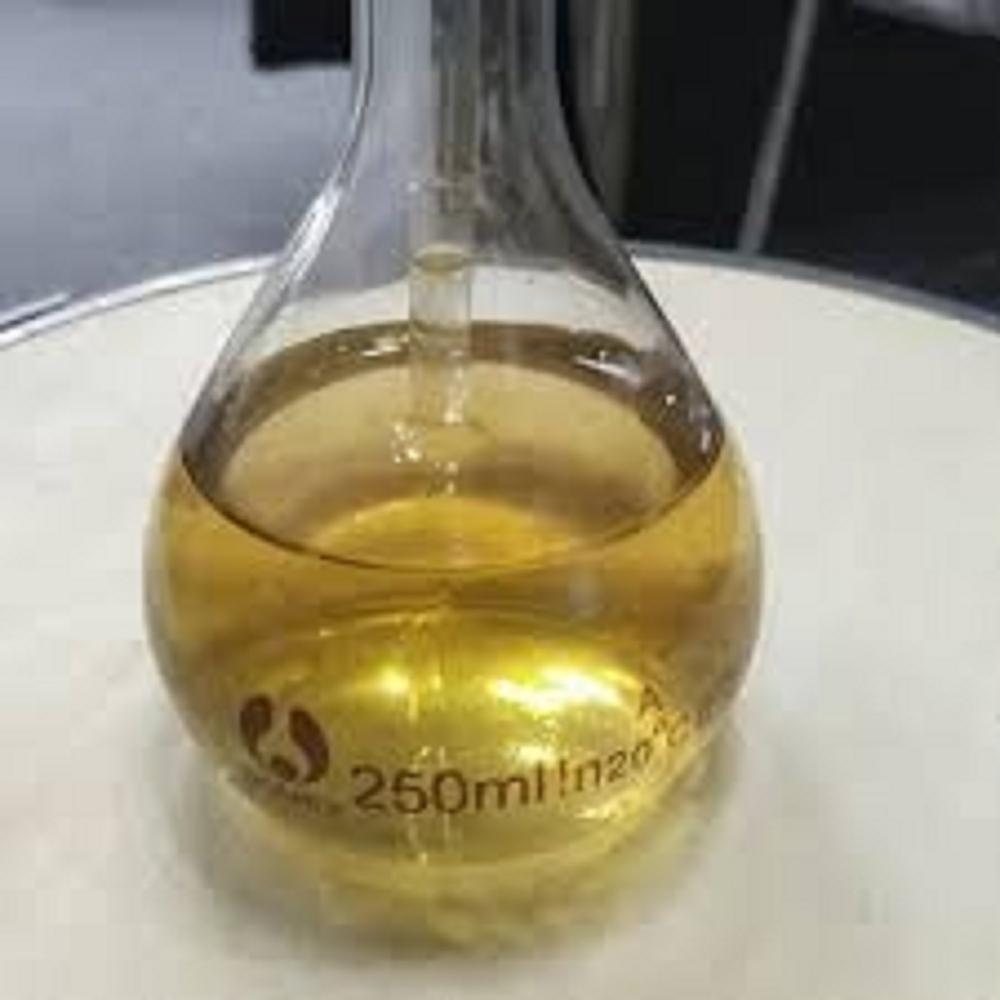
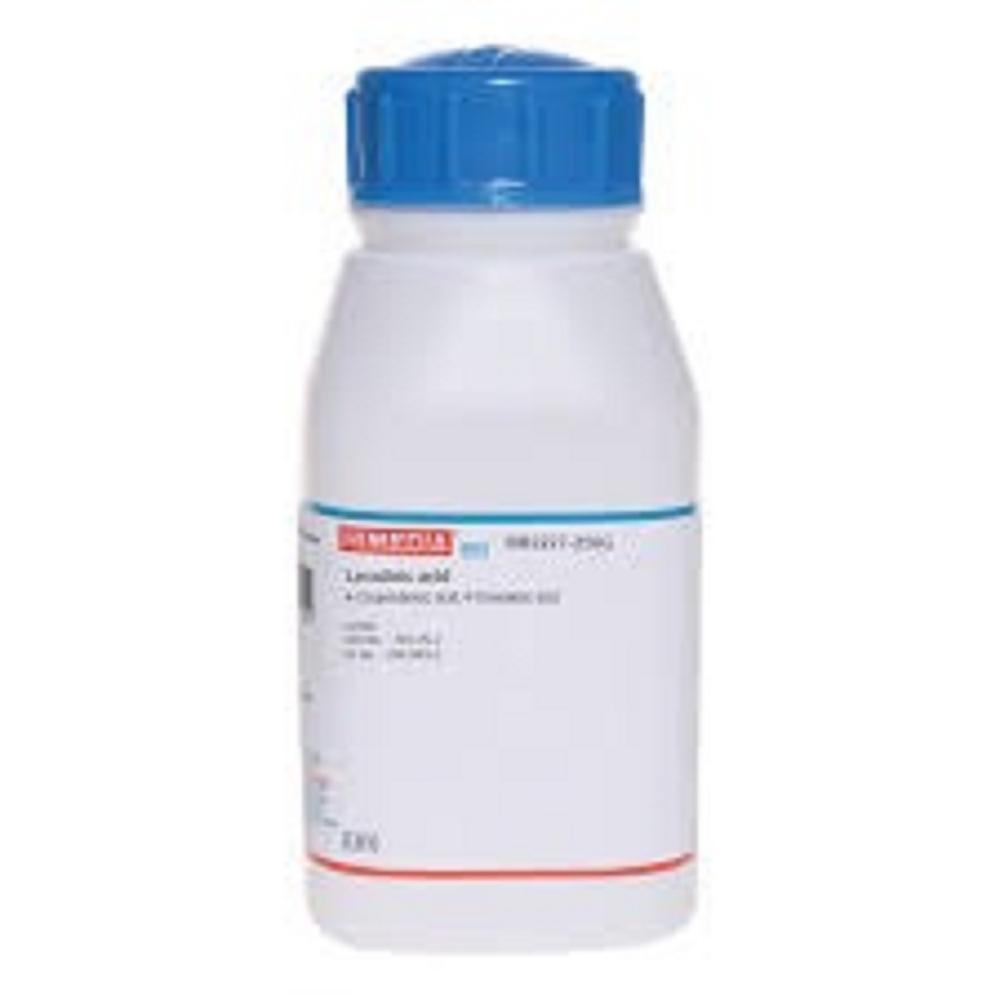
Levulinic acid
100.0 USD ($)/Metric Ton
Product Details:
- Molecular Weight 116.12 g/mol
- Taste Sour, acidic
- Smell Slightly acidic odor
- HS Code 29183000
- Boiling point 245C
- Structural Formula CH3C(O)CH2CH2COOH
- Refractive Rate 1.442
- Click to View more
X
Levulinic acid Price And Quantity
- 100.0 USD ($)/Metric Ton
- 50 Metric Ton
Levulinic acid Product Specifications
- 245C
- CH3C(O)CH2CH2COOH
- Industrial, Food Grade
- Soluble in water, ethanol, ether
- 29183000
- 204-649-2
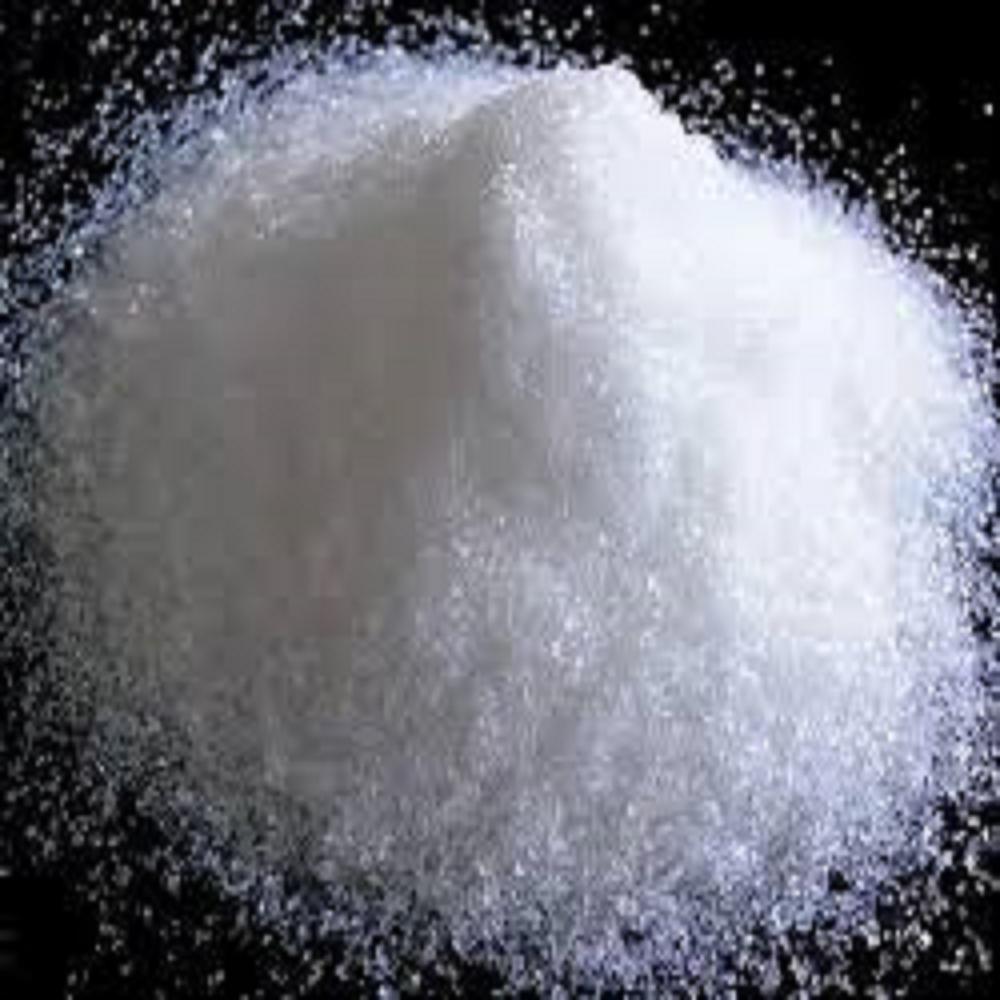
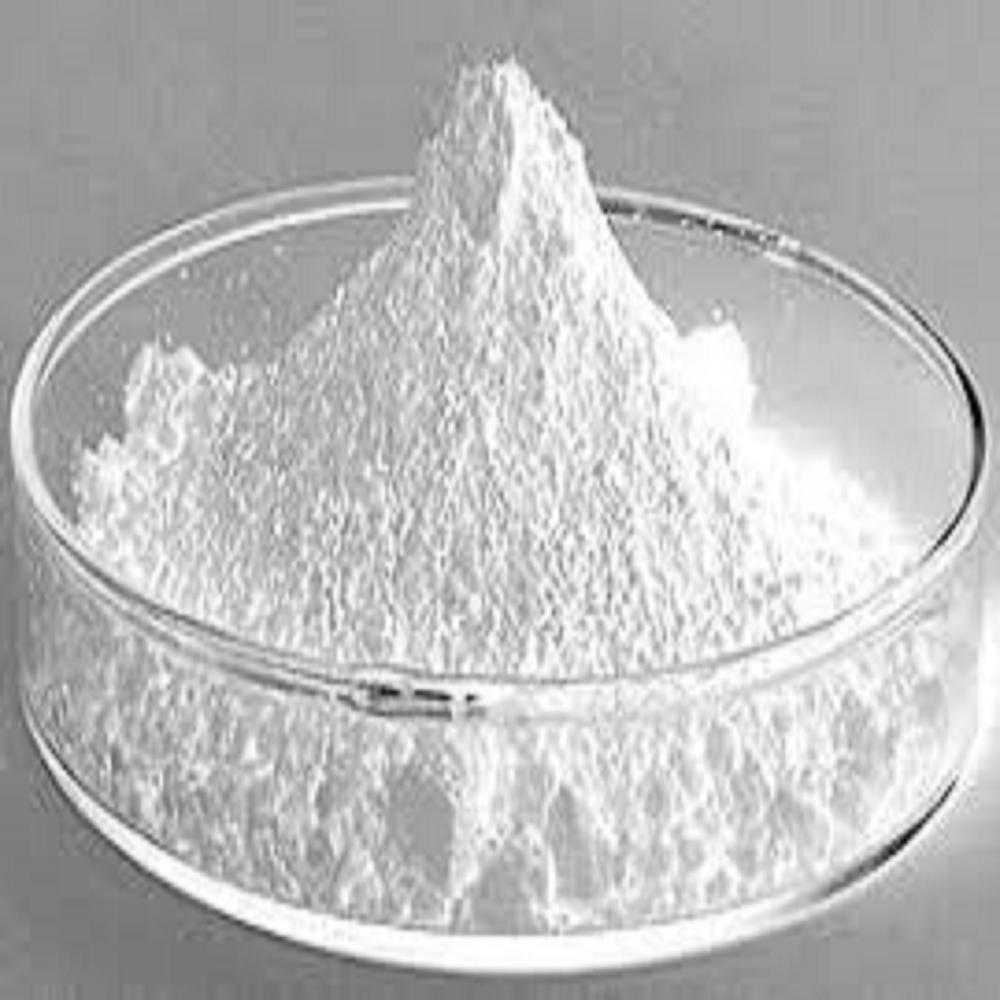
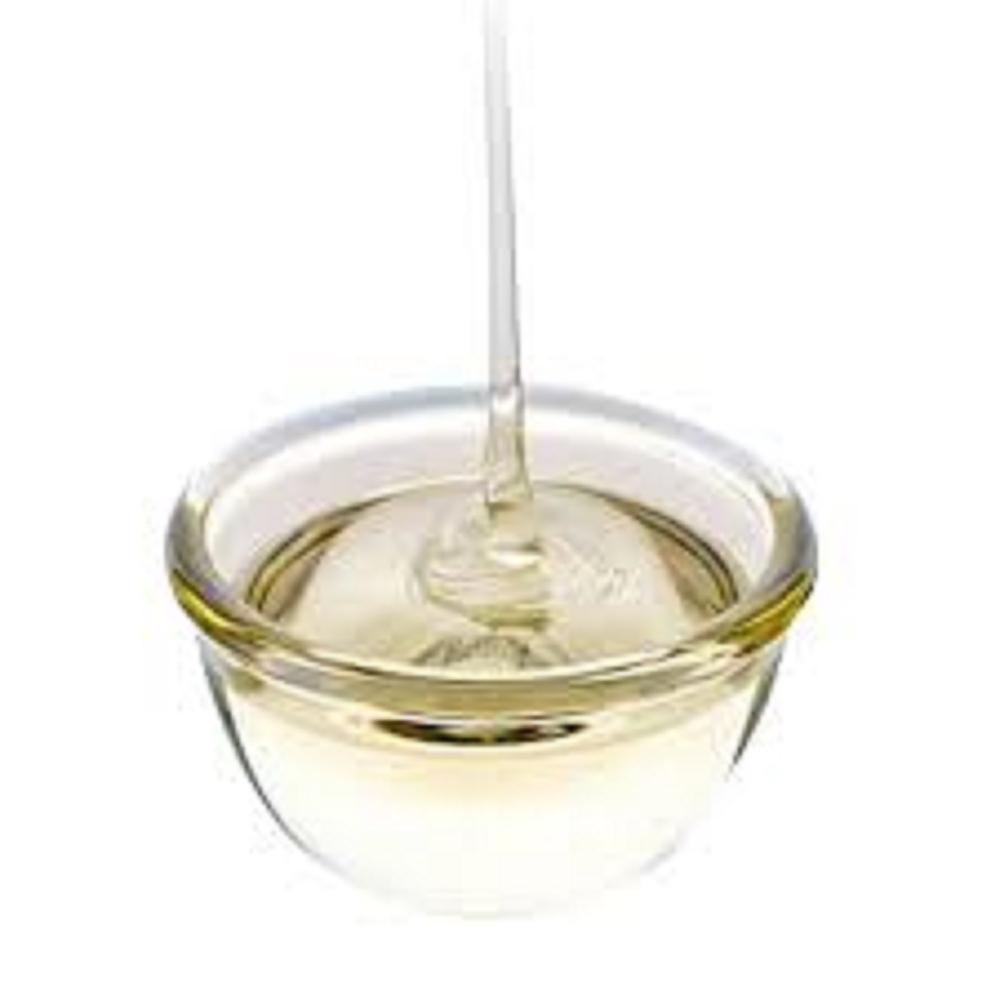
- Clear to pale yellow liquid
- Cellulose, Carbohydrates
- Slightly acidic odor
- Levulinic Acid
- 33C
- Sour, acidic
- Organic Acid
- 123-76-2
- 116.12 g/mol
- 1.442
- C5H8O3
- Pharmaceutical, Cosmetics, Agriculture, Food additives
- 1.14 Gram per cubic centimeter(g/cm3)
- 4-Oxopentanoic acid; -Ketovaleric acid
- Intermediate in chemical synthesis, herbicides, flavoring agent
- 99%
- 113C
- 1-2 (50 g/l, H2O, 20C)
- Non-hazardous chemical, general cargo
- Stable under normal conditions
- Available in drums, IBC tanks, or customized packaging
- Irritant to eyes, skin, and respiratory system
- 2 years if properly stored
- Hydrolysis of biomass, acid-catalyzed conversion of carbohydrates
- Store in a cool, dry, and well-ventilated place
Levulinic acid Trade Information
- South Africa
- Paypal, Days after Acceptance (DA), Delivery Point (DP)
- 50 Metric Ton Per Week
- 50 Week
Product Description
Unlock the potential of Premium Levulinic Acid, a versatile, high-performance biochemical compound known for its diverse range of industrial, cosmetic, and pharmaceutical applications. Derived from renewable plant sources, levulinic acid is a naturally occurring compound with a variety of uses in formulations for solvents, preservatives, intermediates, and biodegradable products.
As a sustainable and eco-friendly alternative to synthetic chemicals, levulinic acid plays a crucial role in the production of biofuels, polymers, and agricultural chemicals. Its antibacterial, antifungal, and anti-inflammatory properties make it a key ingredient in high-quality cosmetic products and personal care formulations. Additionally, it is widely used in the pharmaceutical industry for its potential to enhance drug delivery and stability.
Whether you're formulating natural skincare products, seeking green chemistry solutions, or developing biodegradable plastics, levulinic acid provides superior performance and sustainability.
Versatility & Applications
Levulinic acid finds broad use across pharmaceuticals, cosmetics, agriculture, and food industries. Whether as a chemical intermediate, herbicide, or flavoring agent, its purity and solubility offer flexibility for formulators and manufacturers. Its origin from renewable biomass makes it an attractive option for sustainable production processes.
Safe Handling & Storage
Although considered non-hazardous for transportation, levulinic acid can irritate the eyes, skin, and respiratory system. Proper storage in a cool, dry, and ventilated environment is essential to maintain stability and ensure a shelf life of up to two years. Always use appropriate safety measures to mitigate occupational risks.
Packaging & Supply Options
Levulinic acid is available in drums, IBC tanks, or customized packaging to suit various commercial needs. As an industrial and food-grade product, it meets diverse quality requirements and is distributed globally by dealers, exporters, and suppliers.
FAQ's of Levulinic acid:
Q: How is levulinic acid produced?
A: Levulinic acid is produced by the acid-catalyzed hydrolysis of renewable biomass, such as cellulose and other carbohydrates. This sustainable process involves breaking down complex carbohydrates using acid to yield levulinic acid as the main product.Q: What are the common uses of levulinic acid?
A: Levulinic acid serves as an intermediate in chemical synthesis, a component in pharmaceuticals, cosmetics, herbicides, and food additives. It is also used for flavor enhancement and is favored in various industries for its solubility and purity.Q: When does levulinic acid expire and how should it be stored?
A: Levulinic acid has a shelf life of two years when stored in a cool, dry, and well-ventilated environment. Proper storage helps retain its stability and efficacy throughout its shelf life.Q: Where can levulinic acid be sourced or purchased?
A: Levulinic acid can be obtained from reputable dealers, distributors, exporters, manufacturers, and suppliers. It is commonly available in drums, IBC tanks, or customized packaging formats to accommodate different industrial needs.Q: What are the main benefits of using levulinic acid?
A: Levulinic acid offers high purity, versatility in applications, and is derived from renewable sources, making it an eco-friendly option. Its solubility and functional properties enhance its usability in diverse formulations.Q: Is levulinic acid hazardous during transport?
A: No, levulinic acid is classified as a non-hazardous chemical for transport. However, it can still cause irritation to eyes, skin, and the respiratory system, so appropriate care should be taken during handling.Q: How is levulinic acid typically used in industrial processes?
A: Levulinic acid is often utilized as an intermediate for synthesizing other chemicals, manufacturing herbicides, producing pharmaceuticals, and formulating food additives. Its versatility and chemical properties make it valuable in various manufacturing sectors.Tell us about your requirement

Price:
Quantity
Select Unit
- 50
- 100
- 200
- 250
- 500
- 1000+
Additional detail
Mobile number
Email

Other Products in 'Feed Preservation Acid' category

Contact Details
PAGE GLOBAL EXPORT (PTY) LTD.
- 1, Charles Street, Bloemfontein - 9301, Free State, South Africa
- Phone :+27--834270994

 Send Inquiry
Developed and Managed by Infocom Network Private Limited.
