Call: +27834270994
 Send Inquiry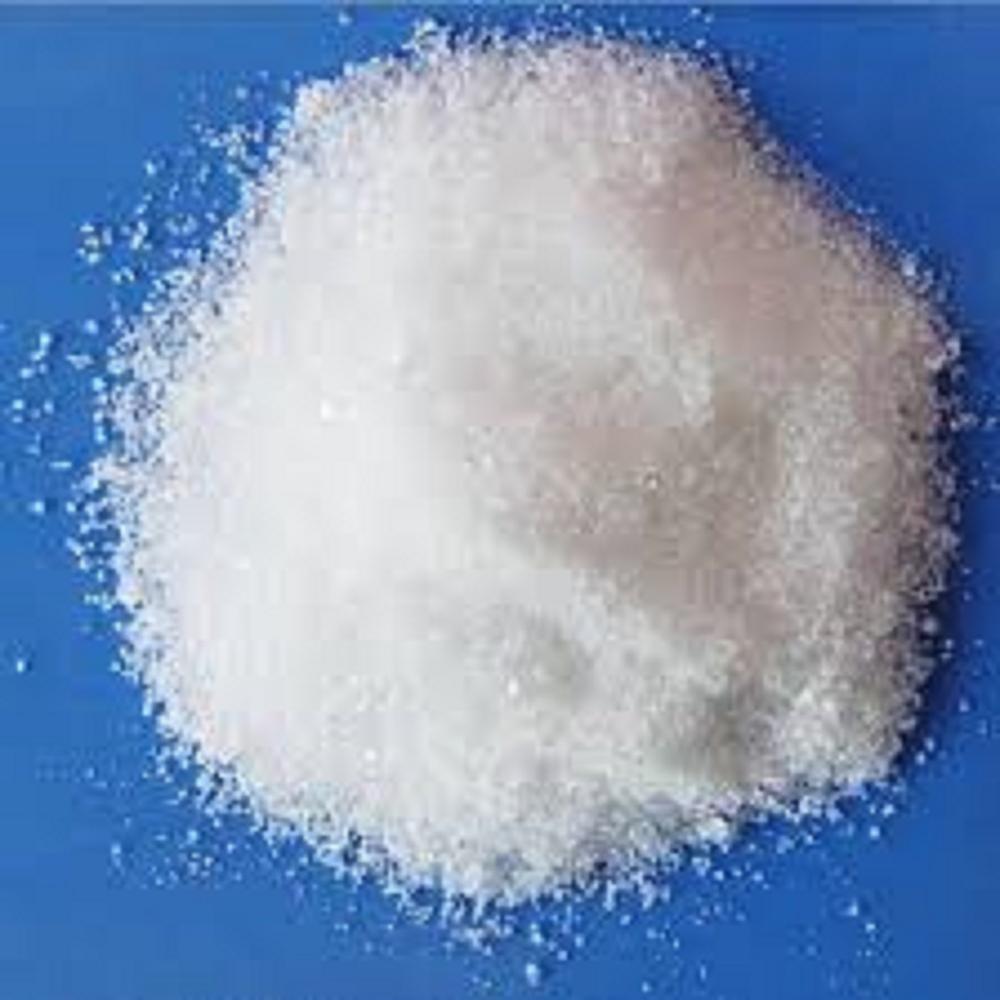
Sodium citrate
68.0 USD ($)/Metric Ton
Product Details:
- Smell Odorless
- Structural Formula C6H5Na3O7
- Molecular Weight 258.07 g/mol
- HS Code 29181500
- Molecular Formula Na3C6H5O7
- Taste Slightly salty, mildly tart
- Boiling point Not applicable (decomposes)
- Click to View more
X
Sodium citrate Price And Quantity
- 50 Metric Ton
- 68.0 USD ($)/Metric Ton
Sodium citrate Product Specifications
- > 300C (decomposes)
- Very soluble in water
- 99% min
- Buffering agent, emulsifier, anticoagulant, flavoring agent
- 68-04-2
- Food grade, Pharmaceutical grade, Industrial grade
- Food additive, Pharmaceutical, Water treatment, Detergents, Industrial
- Citric acid, Sodium carbonate/sodium hydroxide
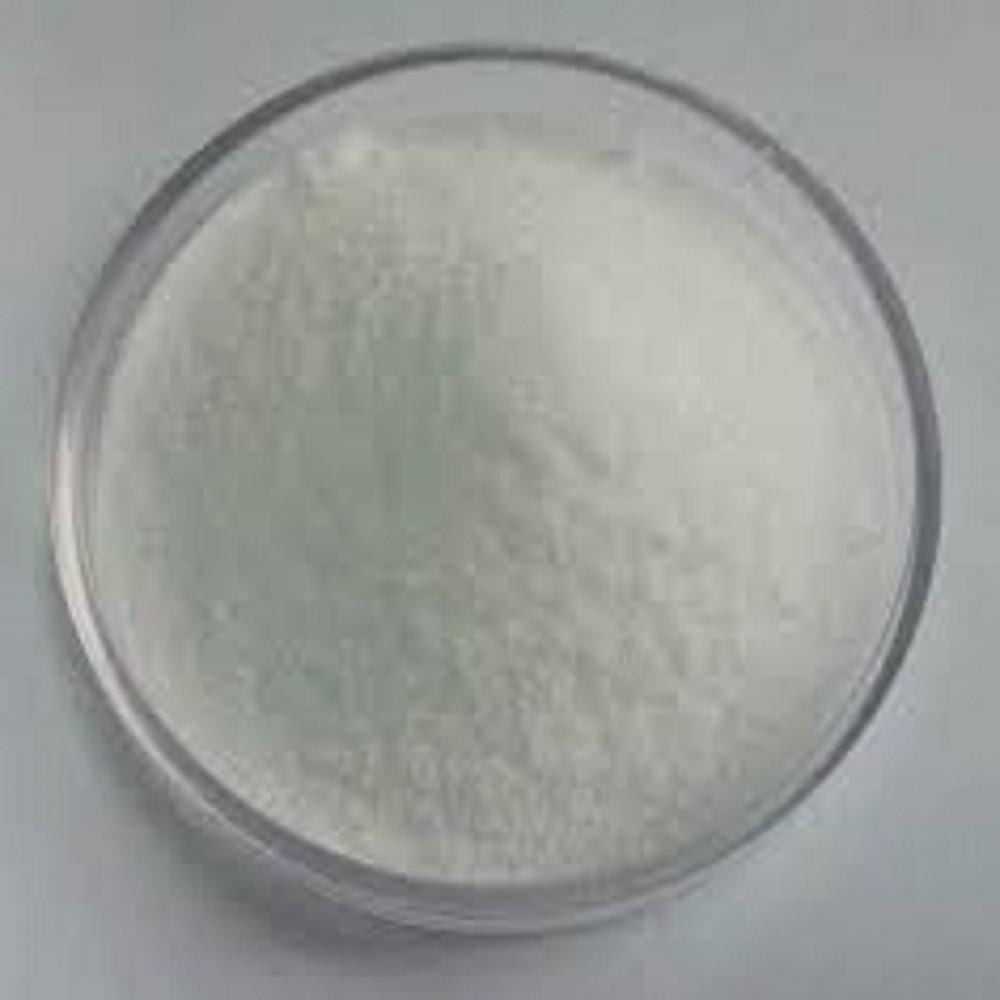
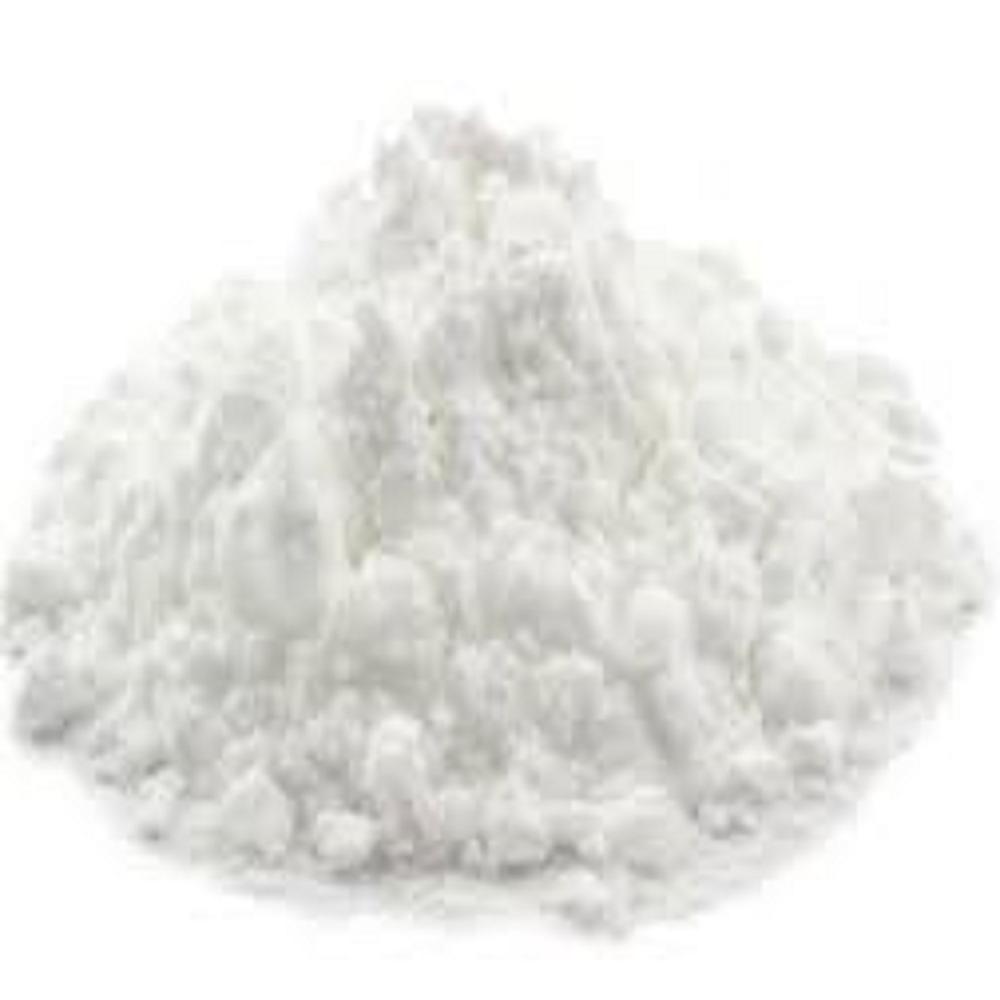
- White crystalline powder or granules
- C6H5Na3O7
- 200-675-3
- 258.07 g/mol
- 29181500
- Trisodium citrate, Sodium citrate tribasic
- Na3C6H5O7
- 1.7 Gram per cubic centimeter(g/cm3)
- Citric Acid Salt
- Organic Acid Salt
- Slightly salty, mildly tart
- Not applicable (decomposes)
- Odorless
- < 0.001%
- 7.5-9.0
- 2 years
- 25kg/bag or according to customer's requirement
- Not hazardous
- 11.0%
- Stable under normal conditions
- Keep container tightly closed in a dry, cool, and well-ventilated place
- 99.0%
Sodium citrate Trade Information
- South Africa
- Paypal, Days after Acceptance (DA), Delivery Point (DP)
- 50 Metric Ton Per Week
- 50 Week
Product Description
Sodium Citrate is a premium-quality, versatile food-grade ingredient known for its powerful buffering, emulsifying, and chelating properties. Derived from citric acid and sodium salts, this odorless, crystalline powder is widely used across the food, beverage, pharmaceutical, and industrial sectors for its exceptional functional benefits.
In culinary applications, sodium citrate is prized as a natural emulsifier, making it easy to transform cheese into creamy, smooth sauces without curdling. It also serves as a pH regulator and acidity controller in carbonated beverages, dairy products, jams, and processed foods, enhancing flavor stability and shelf life.
Beyond the kitchen, sodium citrate plays a crucial role in pharmaceutical formulations as a buffering agent in medications, oral care products, and IV solutions. Its ability to control acidity and preserve the efficacy of active ingredients makes it indispensable for clean-label and performance-focused formulations.
Ideal for chefs, food technologists, nutraceutical brands, and industrial manufacturers, our high-purity sodium citrate ensures reliable performance and consistent results in every batch.
Versatile Applications Across Industries
Sodium citrate is prized for its multifunctional role as a buffering agent, emulsifier, flavor enhancer, and anticoagulant. Its high purity and stability make it suitable for use not only in food and beverage products but also in pharmaceuticals, water treatment, and detergent manufacturing. The substance's adaptability facilitates various industrial processes demanding precise pH control or ion chelation.
Stable and Safe for Storage
This product remains stable under everyday storage conditions and is classified as non-hazardous, offering peace of mind during handling and storage. Ensuring the container is tightly sealed in a dry, cool, and ventilated environment will maximize shelf life up to two years. The crystalline form prevents caking and preserves quality for long-term use.
FAQ's of Sodium citrate:
Q: How is sodium citrate typically used in food processing?
A: Sodium citrate acts as a buffering agent and emulsifier in food processing. It stabilizes pH, helps cheeses melt smoothly, prevents crystallization in beverages, and can be used to enhance flavors due to its slightly salty, mildly tart taste.Q: What benefits does sodium citrate offer in pharmaceutical applications?
A: In pharmaceuticals, sodium citrate functions as an anticoagulant in blood storage and as a buffering agent to maintain product stability. Its high purity and safety profile ensure it is suitable for sensitive formulations.Q: When should sodium citrate be added during industrial processes?
A: For optimal results, sodium citrate is often incorporated during the mixing or formulation stage to adjust pH, act as a chelation agent, or stabilize mixtures, depending on the specific industrial application.Q: Where should sodium citrate be stored to maintain its stability?
A: Sodium citrate should be stored in tightly closed containers within a dry, cool, and well-ventilated area. Proper storage minimizes moisture absorption and preserves both stability and effectiveness over its two-year shelf life.Q: What is the process of producing sodium citrate?
A: Sodium citrate is manufactured by neutralizing citric acid with sodium carbonate or sodium hydroxide, resulting in a highly pure white crystalline powder or granules. Each batch is checked for moisture and metal content to ensure quality.Q: Is sodium citrate safe to handle and use?
A: Yes, sodium citrate is classified as non-hazardous and stable under normal conditions. However, it is recommended to handle it with basic hygiene and storage precautions, especially in food and pharmaceutical environments.Tell us about your requirement

Price:
Quantity
Select Unit
- 50
- 100
- 200
- 250
- 500
- 1000+
Additional detail
Mobile number
Email

Other Products in 'Feed Preservation Acid' category



Contact Details
PAGE GLOBAL EXPORT (PTY) LTD.
- 1, Charles Street, Bloemfontein - 9301, Free State, South Africa
- Phone :+27--834270994

 Send Inquiry
Developed and Managed by Infocom Network Private Limited.
