Call: +27834270994
 Send Inquiry
Tartaric acid
190.0 USD ($)/Metric Ton
Product Details:
- Boiling point Decomposes before boiling
- Taste Strongly acidic, sour
- HS Code 29181200
- Molecular Weight 150.09 g/mol
- Molecular Formula C4H6O6
- Structural Formula (HOOC-CHOH-CHOH-COOH)
- Refractive Rate Not applicable (solid)
- Click to View more
X
Tartaric acid Price And Quantity
- 50 Metric Ton
- 190.0 USD ($)/Metric Ton
Tartaric acid Product Specifications
- 87-69-4
- 99.5%
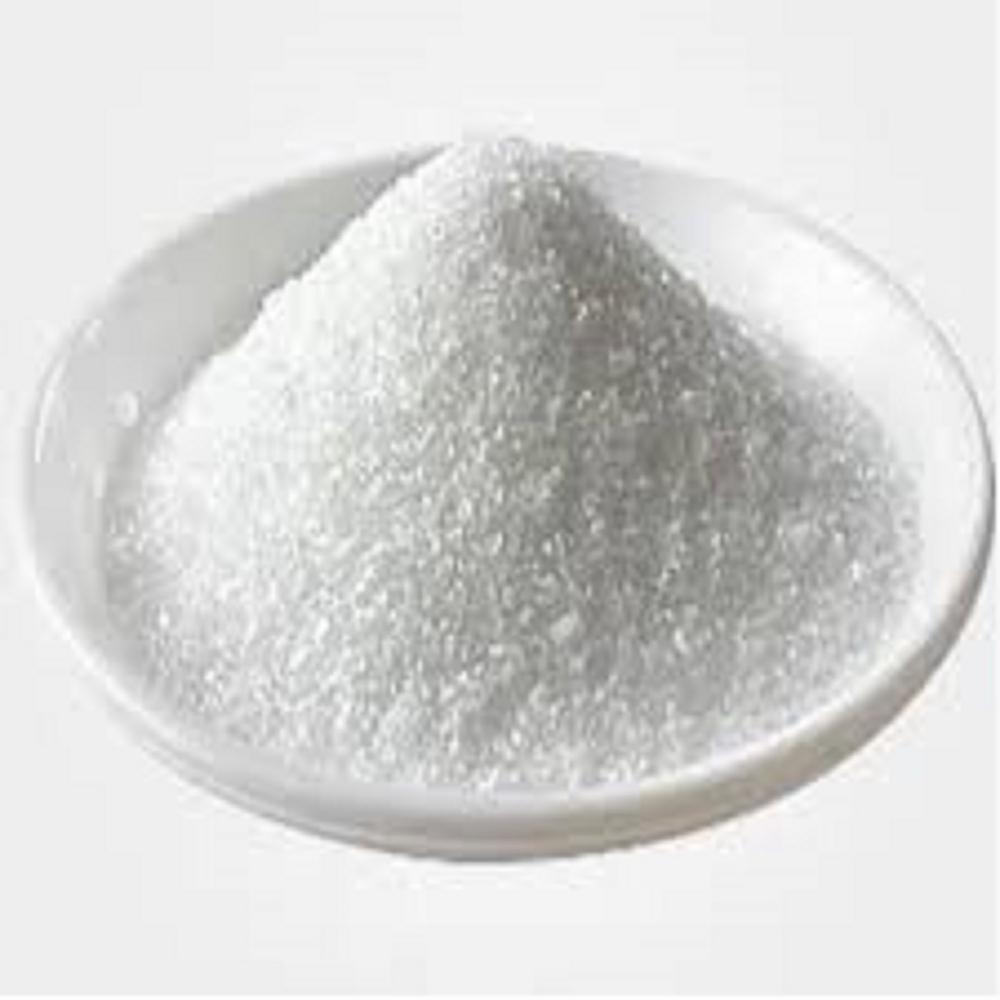
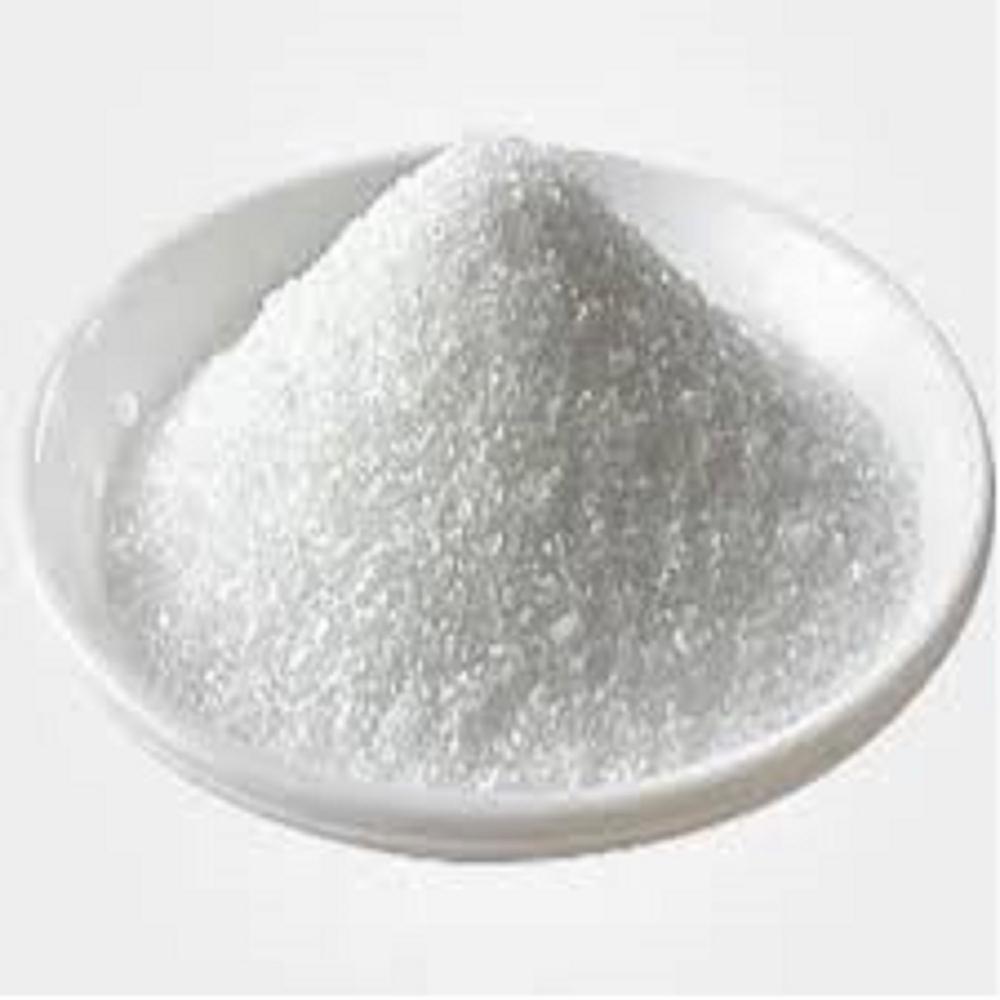
- White crystalline powder
- Natural sources (grapes) or synthetic
- Decomposes before boiling
- Strongly acidic, sour
- Organic Acid
- 150.09 g/mol
- 29181200
- 170C (decomposes)
- C4H6O6
- (HOOC-CHOH-CHOH-COOH)
- 201-766-0
- Food Additive, Beverage Industry, Pharmaceuticals, Cosmetics, Industrial Uses
- Very soluble in water (139 g/L at 25C)
- 2,3-dihydroxybutanedioic acid
- 1.76 Gram per cubic centimeter(g/cm3)
- Food grade, Industrial grade, Pharmaceutical grade
- Acidulant, Antioxidant, pH regulator
- Tartaric Acid
- Odorless
- Not applicable (solid)
- 10 ppm
- 2 years in original packaging
- Stable under normal storage conditions
- +12.0 to +13.0 (in 10% solution)
- 2 ppm
- 2.2
- 0.5%
- Store in a cool, dry, well-ventilated area, away from incompatible substances
- Non-hazardous, Generally Recognized as Safe (GRAS)
- 25 kg bags or drums
Tartaric acid Trade Information
- Paypal, Days after Acceptance (DA), Delivery Point (DP)
- 50 Metric Ton Per Week
- 50 Week
Product Description
Elevate your formulation with Premium Food-Grade Tartaric Acid, a naturally occurring organic acid renowned for its powerful acidifying properties and versatility across food, beverage, and industrial sectors. Sourced from high-quality grapes and other natural sources, our tartaric acid is a white, crystalline powder that ensures consistency, purity, and performance in every application.
Used widely as a natural preservative, acidulant, and stabilizing agent, tartaric acid enhances flavor, improves texture, and extends shelf life in products ranging from baked goods and effervescent beverages to confectionery, gelatin-based desserts, and wine production. In the pharmaceutical and cosmetic industries, its prized for its buffering and pH-regulating capabilities.
Whether you're formulating clean-label foods or scaling industrial production, our tartaric acid meets strict quality and purity standards making it the trusted choice for manufacturers, labs, and commercial kitchens.
Versatile Applications Across Key Industries
Tartaric acid's unique properties-such as strong acidity, high solubility, and stability-make it ideal for use in food and beverages as an acidulant, flavor enhancer, and stabilizer. Additionally, it finds applications in pharmaceuticals, cosmetics, and numerous industrial processes, offering functional benefits like pH regulation and antioxidant action.
Quality Assured for Safety and Performance
With a purity of 99.5% and low levels of impurities, Tartaric acid is classified as non-hazardous and generally recognized as safe (GRAS). Rigorous quality controls ensure its suitability for food, pharmaceuticals, and industrial grades, and its reliability is supported by a 2-year shelf life under correct storage conditions.
FAQ's of Tartaric acid:
Q: How is tartaric acid typically used in the food and beverage industry?
A: Tartaric acid serves as an acidulant, antioxidant, and pH regulator in foods and beverages, enhancing flavor, stabilizing products, and helping preserve them by controlling acidity.Q: What storage conditions ensure maximum shelf life for tartaric acid?
A: To maintain its quality for up to 2 years, tartaric acid should be stored in a cool, dry, and well-ventilated location, away from incompatible substances.Q: Where does tartaric acid come from and how is it produced?
A: Tartaric acid can be naturally sourced from grapes or synthetically manufactured to obtain high purity, suitable for various food and industrial applications.Q: What are the main benefits of using tartaric acid in pharmaceuticals and cosmetics?
A: In pharmaceuticals, tartaric acid acts as a stabilizer and excipient, while in cosmetics, it helps regulate pH and acts as an antioxidant to improve product stability.Q: When should tartaric acid be handled with care despite being non-hazardous?
A: Even though tartaric acid is classified as non-hazardous and GRAS, it should be handled carefully in well-ventilated areas and stored properly to prevent moisture absorption or contamination.Q: What makes tartaric acid particularly suitable as a pH regulator?
A: Its strongly acidic nature (pH 2.2 in 1% solution) and stable crystalline structure allow it to adjust and maintain pH levels consistently in different formulations.Tell us about your requirement

Price:
Quantity
Select Unit
- 50
- 100
- 200
- 250
- 500
- 1000+
Additional detail
Mobile number
Email

Other Products in 'Feed Preservation Acid' category

Contact Details
PAGE GLOBAL EXPORT (PTY) LTD.
- 1, Charles Street, Bloemfontein - 9301, Free State, South Africa
- Phone :+27--834270994

 Send Inquiry
Developed and Managed by Infocom Network Private Limited.
