Call: +27834270994
 Send Inquiry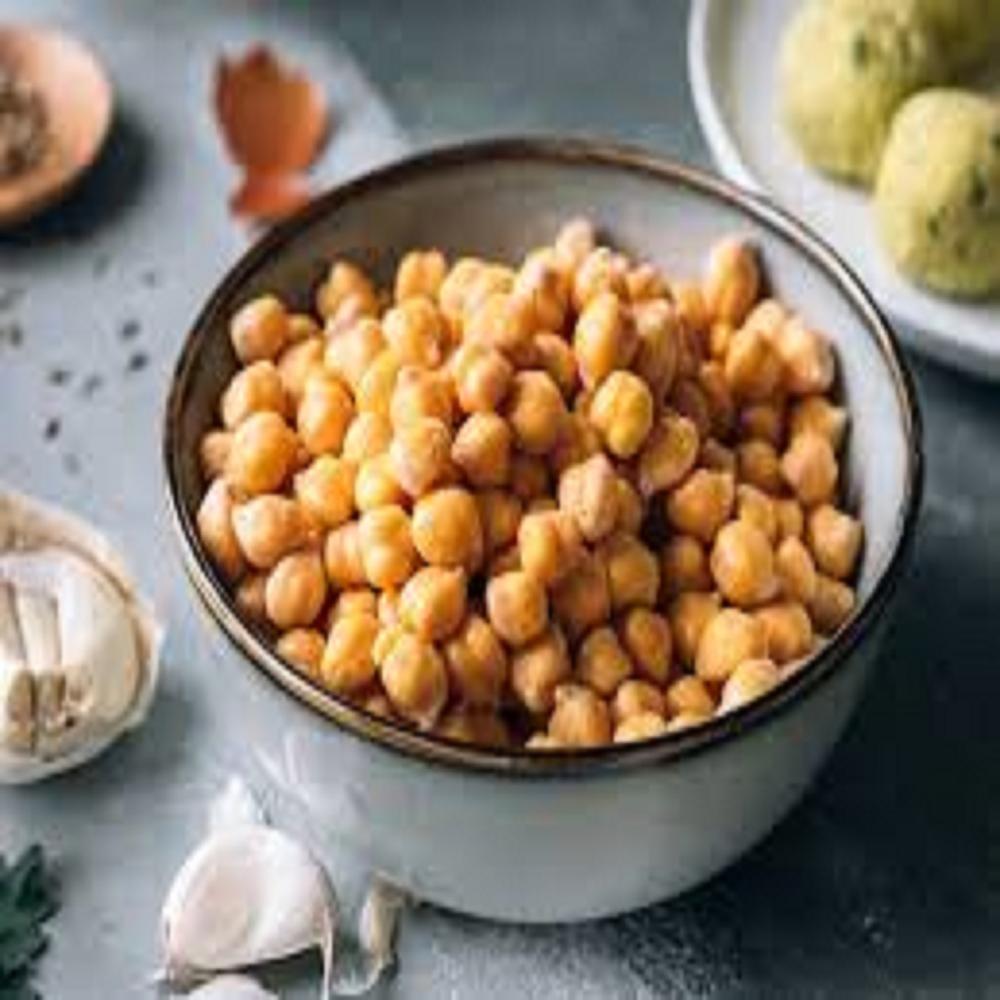
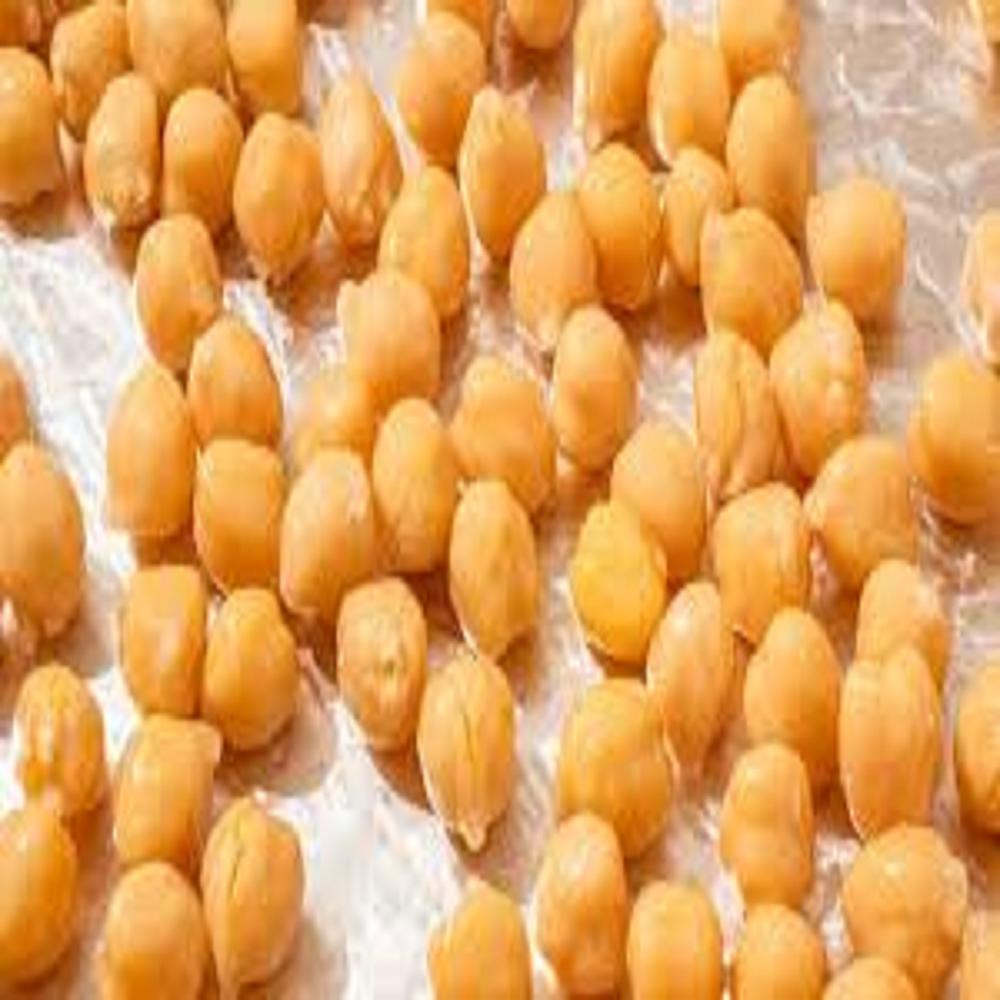
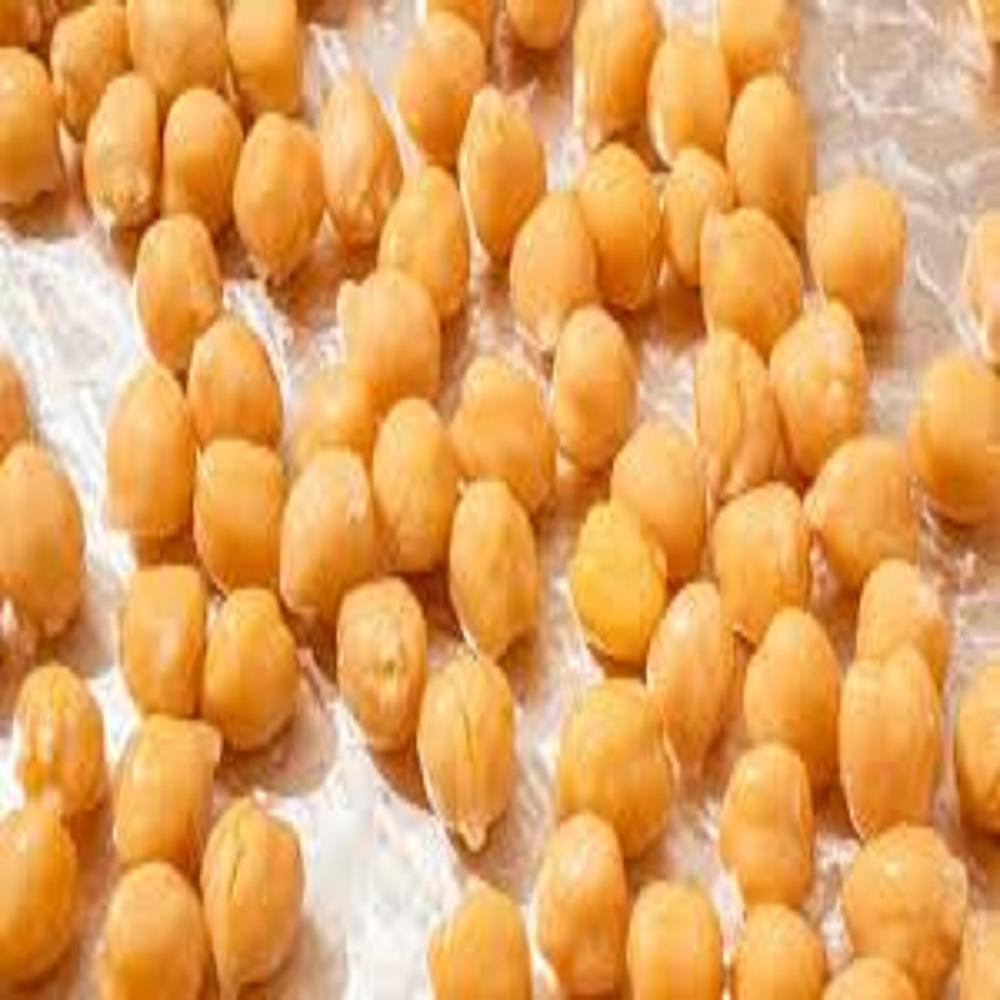
Kabuli chickpeas
150.0 USD ($)/Metric Ton
Product Details:
- Shelf Life 12 to 18 months
- Features Non-GMO, gluten-free, vegan
- Weight Typically packed in 500g, 1kg, 5kg, and bulk packs
- Ph Level 6.5 - 7.5
- Grade Premium/Export quality
- Fat Content (%) 4-6%
- Application Human consumption, food industry
- Click to View more
X
Kabuli chickpeas Price And Quantity
- 150.0 USD ($)/Metric Ton
- 50 Metric Ton
Kabuli chickpeas Product Specifications
- 4-6%
- Mild, earthy
- Premium/Export quality
- 100% Kabuli chickpeas
- 6.5 - 7.5
- Round, slightly irregular
- Nutty, mildly sweet
- Whole, dried
- Max 12-14%
- Non-GMO, gluten-free, vegan
- Legume/Pulse
- 12 to 18 months
- None required; preserved by drying
- Kabuli Chickpeas
- Human consumption, food industry
- Culinary (salads, soups, curries, hummus, snacks)
- 18-21%
- Store in cool, dry place in an airtight container
- Typically packed in 500g, 1kg, 5kg, and bulk packs
- Rich in protein and fiber
- Max 0.5%
- Approximately 60%
- Negligible/Low
- 30-40 minutes (after soaking)
- 1:2 (approximate volume increase after soaking)
- Latest available
- Does not contain major allergens
- Complies with international food safety standards
- Max 1%
- Less than 0.5%
- PP bags, jute bags, or customized packaging
- 7-9%
- Rich in plant-based protein, fiber, B vitamins, iron, magnesium, zinc
- 8 mm and above (Jumbo); as per buyer requirements
- Beige to light brown
- Garbanzo beans, White chickpeas
- Cicer arietinum
- Available for global export
- Vegetarians, vegans, gluten-intolerant individuals
Kabuli chickpeas Trade Information
- South Africa
- Paypal, Days after Acceptance (DA), Delivery Point (DP)
- 50 Metric Ton Per Week
- 50 Week
Product Description
Experience the rich taste, firm texture, and exceptional quality of Premium Kabuli Chickpeas, the gold standard in chickpea varieties. Sourced from the finest crops, these large, creamy-white legumes are celebrated for their buttery flavor, dense nutritional profile, and versatile culinary uses.
Packed with plant-based protein, dietary fiber, and essential minerals like iron, magnesium, and potassium, Kabuli chickpeas are ideal for health-conscious consumers, vegans, and food manufacturers seeking nutritious, clean-label ingredients. These non-GMO chickpeas cook evenly, hold their shape well, and are perfect for canning, roasting, salads, soups, hummus, and ready-to-eat meals.
Whether you're stocking retail shelves, formulating protein-rich snacks, or producing traditional Mediterranean, Indian, or Middle Eastern cuisine, our Kabuli chickpeas deliver consistency, quality, and superior taste in every bite.
Premium Quality and Nutritional Value
Our Kabuli chickpeas are renowned for their premium export grade, non-GMO status, and gluten-free, vegan attributes. Packed with approximately 60% carbohydrates, 18-21% protein, and 7-9% fiber, they offer substantial nutritional benefits for vegetarians, vegans, and anyone seeking a plant-based protein source. They also contain B vitamins, iron, magnesium, and zinc, supporting overall wellness.
Versatile Culinary Applications
Kabuli chickpeas are highly valued for their round, slightly irregular shape, mild earthy flavor, and excellent rehydration ratio (1:2). After soaking, they cook in 30-40 minutes, making them ideal for diverse dishes, including salads, curries, soups, hummus, and snacks. Their adaptability ensures they fit seamlessly into pantry staples or professional kitchens alike.
Safe Packaging and Global Export
Available in PP bags, jute bags, or customized packaging, Kabuli chickpeas cater to both retail and bulk demands. Being free from chemical residues and major allergens, they meet international safety standards. Manufactured from the latest crop year, these chickpeas are exported globally, ensuring freshness and quality remain uncompromised throughout supply chains.
FAQ's of Kabuli chickpeas:
Q: How should Kabuli chickpeas be stored to preserve freshness?
A: Kabuli chickpeas should be stored in a cool, dry place inside an airtight container. This prevents moisture and impurities from compromising their quality and extends their shelf life to up to two years.Q: What makes Kabuli chickpeas beneficial for vegetarians and vegans?
A: Kabuli chickpeas are rich in plant-based protein, fiber, and essential vitamins and minerals like B vitamins, iron, magnesium, and zinc. Being naturally gluten-free and vegan, they cater to plant-based diets and promote digestive and overall wellness.Q: When is the best cooking process for Kabuli chickpeas?
A: Before cooking, soak the chickpeas to achieve an approximate 1:2 rehydration ratio. After soaking, they cook within 30-40 minutes, reaching optimal tenderness for various culinary uses such as salads, curries, and hummus.Q: Where is your Kabuli chickpeas sourced and exported from?
A: Our Kabuli chickpeas are sourced from the latest available crop year and are available for global export. We ensure they meet premium export quality and comply with international food safety regulations.Q: What packaging options are available for Kabuli chickpeas?
A: Kabuli chickpeas can be packed in polypropylene (PP) bags, jute bags, or customized packaging as per buyer requirements. Standard pack sizes include 500g, 1kg, 5kg, and bulk packs for wholesale and retail distribution.Q: How do you ensure Kabuli chickpeas meet food safety and quality standards?
A: Our Kabuli chickpeas adhere to international food safety standards, with chemical residues well within acceptable limits. They contain negligible impurities and foreign matter, undergo strict quality checks, and are free from major allergens.Q: What is the nutritional profile of Kabuli chickpeas and how can they be used in recipes?
A: Kabuli chickpeas contain 18-21% protein, 7-9% fiber, around 60% carbohydrates, and 4-6% fat. Their nutty flavor and mild earthiness make them ideal for salads, curries, soups, and snacks across cuisines.Tell us about your requirement

Price:
Quantity
Select Unit
- 50
- 100
- 200
- 250
- 500
- 1000+
Additional detail
Mobile number
Email

Other Products in 'Agriculture Food Products' category

Contact Details
PAGE GLOBAL EXPORT (PTY) LTD.
- 1, Charles Street, Bloemfontein - 9301, Free State, South Africa
- Phone :+27--834270994

 Send Inquiry
Developed and Managed by Infocom Network Private Limited.
