Call: +27834270994
 Send Inquiry
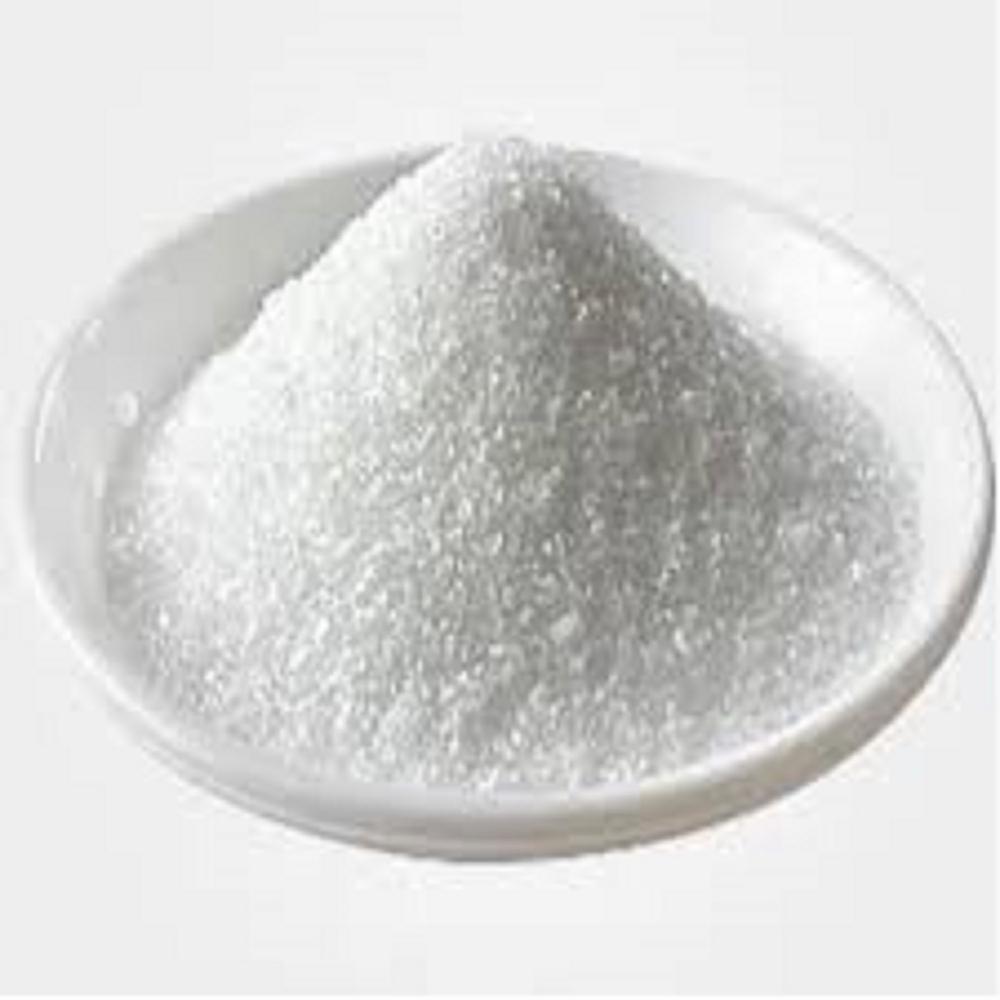

Succinic acid
45.0 USD ($)/Metric Ton
Product Details:
- Boiling point 235C (decomposes)
- HS Code 29171990
- Refractive Rate Not applicable (solid)
- Structural Formula HOOC-(CH2)2-COOH
- Taste Slightly acidic, sour
- Smell Odorless
- Molecular Formula C4H6O4
- Click to View more
X
Succinic acid Price And Quantity
- 45.0 USD ($)/Metric Ton
- 50 Metric Ton
Succinic acid Product Specifications
- 118.09 g/mol
- Used in making biodegradable polymers, as a food acidity regulator (E363), pharmaceuticals, surfactants, resins, and flavoring agents
- Odorless
- C4H6O4
- Slightly acidic, sour
- Industrial and Food Grade
- Aliphatic
- HOOC-(CH2)2-COOH
- Not applicable (solid)
- 29171990
- 1.56 Gram per cubic centimeter(g/cm3)
- Highly soluble in water, slightly soluble in ethanol and ether
- Derived from maleic anhydride or fermentation of glucose
- Industrial, pharmaceutical, food additive, polymer production, and chemical intermediate
- 235C (decomposes)
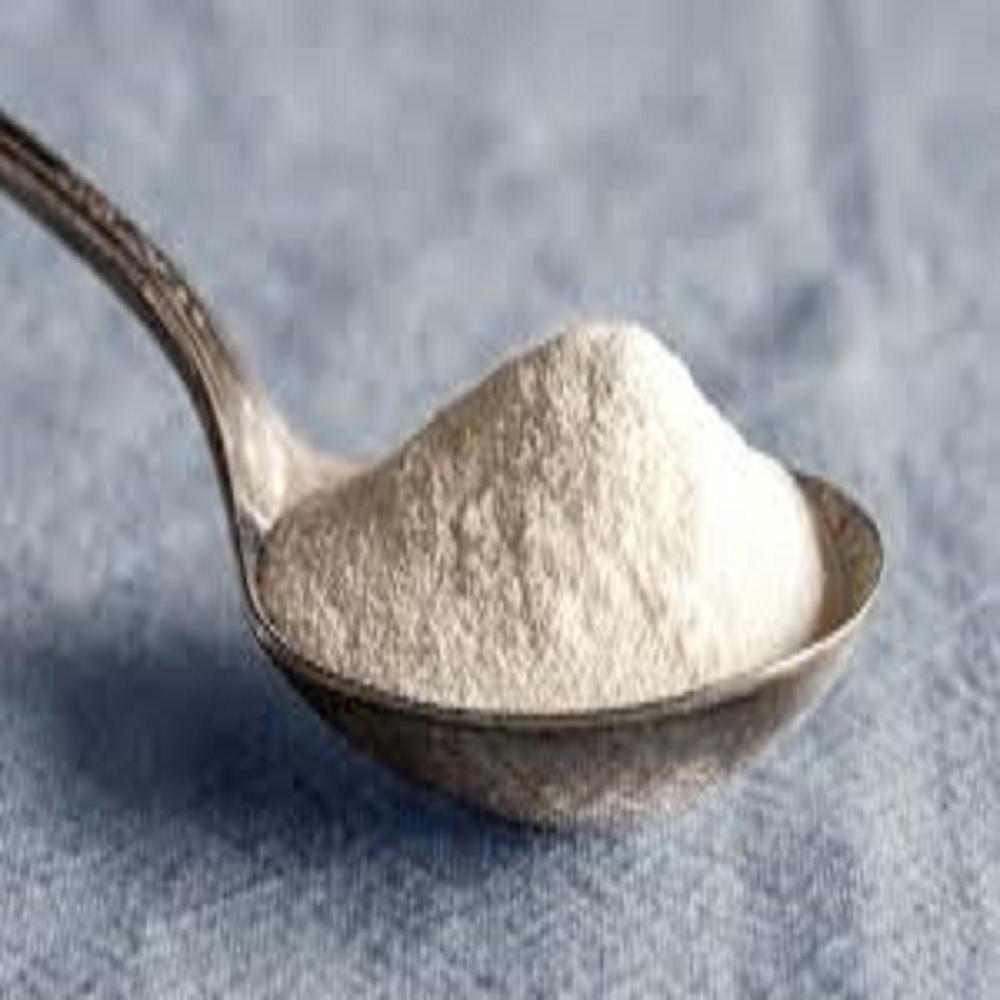
- White crystalline powder
- Butanedioic acid, Amber acid
- Dicarboxylic acid
- 110-15-6
- 203-740-4
- 184-187C
- 99% min
- 206C
- Low toxicity, LD50 (oral, rat): 2260 mg/kg
- Store in cool, dry place away from ignition sources and moisture
- Avoid inhalation and contact with eyes or skin, use appropriate PPE
- >=99%
- Stable under normal conditions, hygroscopic
- <10 ppm
- 25 kg bag / drum, customized options available
- 0.007%
- Amber acid, SUC, Butanedioic acid
- 2 years in sealed packaging
- ~2.6
- 0.02%
Succinic acid Trade Information
- South Africa
- Paypal, Days after Acceptance (DA), Delivery Point (DP)
- 50 Metric Ton Per Week
- 50 Week
Product Description
Elevate your formulations with Premium Succinic Acid, a naturally derived, high-performance dicarboxylic acid widely used in the food, pharmaceutical, cosmetic, and industrial sectors. Sourced from renewable feedstocks or produced via bio-fermentation, this eco-friendly organic acid offers exceptional purity, solubility, and consistency for high-value applications.
In the food industry, succinic acid acts as a pH regulator, flavor enhancer, and acidity controller in processed foods and beverages. In pharmaceuticals, it serves as an intermediate for drug synthesis, buffering agent, and a component in effervescent formulations. Its also valued in cosmetics for its skin-conditioning and antimicrobial properties.
With excellent biodegradability and GRAS status, succinic acid is an ideal choice for sustainable product development, clean-label solutions, and bio-based manufacturing processes.
Versatile Industrial and Food Applications
Succinic acid serves as a crucial ingredient in various industries due to its organic acid properties and high purity. It is commonly utilized in producing biodegradable polymers, as a food additive (E363), and in pharmaceutical formulations. Additionally, it is employed as a chemical intermediate for surfactants, resins, and flavoring agents. Its robust functionality and reliability make it a preferred choice for manufacturers and formulators worldwide.
Quality, Purity, and Safety
Produced to meet stringent standards, succinic acid offers an assay of 99% or higher, with minimal contaminants: heavy metals below 10 ppm, chloride at only 0.007%, and sulphate at 0.02%. The product is low in toxicity and complies with both industrial and food-grade specifications. Proper handling and storage are crucial-wear suitable PPE, avoid contact with eyes and skin, and keep away from moisture and ignition sources for optimal stability and safety.
FAQ's of Succinic acid:
Q: How should succinic acid be stored to maintain its quality?
A: Succinic acid should be stored in a cool, dry environment away from moisture and sources of ignition because it is hygroscopic and stable under normal conditions. Proper storage helps maintain its purity and extends the shelf life up to 2 years.Q: What are the typical uses of succinic acid in various industries?
A: Succinic acid is utilized in polymer production, as a food acidity regulator (E363), pharmaceuticals, surfactants, resins, and as a flavoring agent. It is valued for its versatility in industrial, food, and pharmaceutical applications.Q: When is it necessary to use personal protective equipment (PPE) with succinic acid?
A: Personal protective equipment should always be used when handling succinic acid to avoid inhalation and prevent direct contact with eyes or skin, ensuring safe handling and reducing exposure risks.Q: Where is succinic acid commonly sourced from?
A: Succinic acid is typically derived either from the fermentation of glucose or through chemical synthesis from maleic anhydride, ensuring its availability for both industrial and food-grade applications.Q: What is the process for ensuring succinic acid meets purity standards?
A: Purity is verified through titration, ensuring an assay of at least 99%. Additional tests confirm that heavy metals are below 10 ppm, chlorides at 0.007%, and sulphates at 0.02% or less, adhering to industry standards.Q: How does succinic acid benefit product formulations?
A: Succinic acid provides a slightly acidic, sour taste and aids as an acidity regulator, buffering agent, and chemical intermediate. Its high water solubility and odorless nature enhance its versatility in food, pharmaceuticals, and polymers.Q: What packaging options are available for succinic acid?
A: Succinic acid is typically offered in 25 kg bags or drums, with customized packaging available to meet specific requirements for shipping, storage, or handling needs.Tell us about your requirement

Price:
Quantity
Select Unit
- 50
- 100
- 200
- 250
- 500
- 1000+
Additional detail
Mobile number
Email

Other Products in 'Feed Preservation Acid' category

Contact Details
PAGE GLOBAL EXPORT (PTY) LTD.
- 1, Charles Street, Bloemfontein - 9301, Free State, South Africa
- Phone :+27--834270994

 Send Inquiry
Developed and Managed by Infocom Network Private Limited.
