Call: +27834270994
 Send Inquiry

Tannic acid
100.0 USD ($)/Metric Ton
Product Details:
- Molecular Formula C76H52O46
- HS Code 32019020
- Molecular Weight 1701.19 g/mol
- Smell Odorless or slight characteristic odor
- Boiling point Decomposes before boiling
- Structural Formula (C76H52O46)
- Taste Astringent
- Click to View more
X
Tannic acid Price And Quantity
- 50 Metric Ton
- 100.0 USD ($)/Metric Ton
Tannic acid Product Specifications
- Tannic Acid
- 218 C (decomposes)
- 1701.19 g/mol
- Odorless or slight characteristic odor
- Organic Compound, Polyphenol
- Soluble in water, alcohol, and acetone
- Decomposes before boiling
- 215-753-2
- As an astringent, clarifying agent, antioxidant, and mordant
- C76H52O46
- Usually 95% - 99%
- (C76H52O46)
- Pharmaceutical, food additive, tanning, dyeing, water treatment
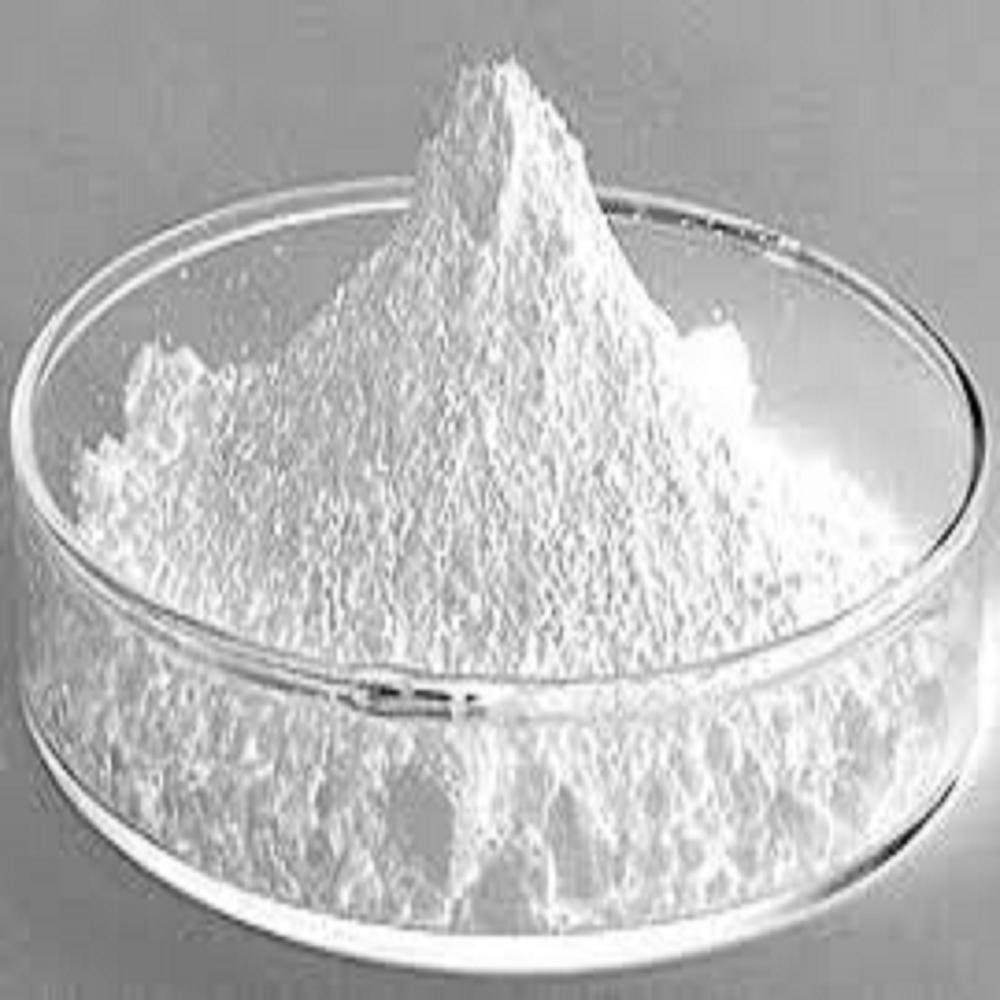
- Light yellow to brownish powder
- 32019020
- 0.56 Gram per cubic centimeter(g/cm3)
- Extracted from plants (oak bark, gallnuts, etc.)
- Gallotannin, Quercitannic Acid
- Astringent
- Pharmaceutical/Food Grade/Industrial Grade
- 1401-55-4
- <10 ppm
- Store in cool, dry conditions, protect from moisture and light
- Low toxicity when used appropriately
- Stable under recommended storage conditions
- 2 years from date of manufacture if unopened
- <1%
- 25 kg fiber drum, HDPE bags or as required
- <2 ppm
- 2.0 - 5.0
Tannic acid Trade Information
- South Africa
- Paypal, Days after Acceptance (DA), Delivery Point (DP)
- 50 Metric Ton Per Week
- 50 Week
Product Description
Unlock the natural power of Tannic Acid, a high-purity, plant-derived polyphenol compound known for its potent astringent, antioxidant, and antimicrobial properties. Extracted from oak galls, tara pods, or other botanical sources, this versatile ingredient is widely used across pharmaceutical, food, cosmetic, textile, and leather processing industries.
In the food and beverage sector, tannic acid functions as a clarifying agent, flavor enhancer, and natural preservative. In pharmaceutical and nutraceutical formulations, it offers anti-inflammatory and antioxidative support, while in cosmetics, it contributes to skin-tightening, toning, and oil control in facial products. It also plays a critical role in metal chelation, ink manufacturing, and wine or beer fining processes.
Our high-grade Tannic Acid is non-GMO, sustainably sourced, and available in powder or liquid form to meet the technical needs of various industries. With consistent quality, excellent solubility, and strong performance, its a preferred choice for manufacturers seeking a natural, multifunctional solution.
Versatile Applications Across Industries
Tannic acid's multifunctional nature makes it essential in pharmaceuticals, food processing, water treatment, and textile industries. Its use ranges from serving as an astringent and clarifying agent to enhancing the dyeing process and acting as an antioxidant. With food-grade, pharmaceutical-grade, and industrial-grade options, it fits many compliance requirements across sectors.
Stable and Safe Storage for Longevity
Store tannic acid in tightly sealed containers under cool, dry conditions, away from moisture and direct light, to maintain its potency and stability for up to two years. Its stable chemical nature and low toxicity under recommended storage make it a reliable choice for long-term industrial and commercial use.
FAQ's of Tannic acid:
Q: How should tannic acid be stored to maintain its quality?
A: Tannic acid should be kept in cool, dry conditions, protected from moisture and light to ensure optimal stability. Proper storage extends shelf life up to two years and preserves product purity.Q: What are the primary uses of tannic acid in various industries?
A: Tannic acid serves as an astringent, clarifying agent, antioxidant, and mordant. It is widely utilized in pharmaceutical formulations, as a food additive, in water treatment, dyeing, and tanning processes.Q: When is tannic acid most beneficial in pharmaceutical or food industries?
A: Tannic acid is most effective as a clarifying or antioxidant agent in food products and as an astringent or excipient in pharmaceutical applications, adding both functional and preservative benefits.Q: Where does tannic acid originate and what is its raw source?
A: Tannic acid is extracted from plant-based materials such as oak bark and gallnuts, ensuring a natural and sustainable supply for industrial use.Q: What packaging options are available for tannic acid?
A: Tannic acid is typically supplied in 25 kg fiber drums, HDPE bags, or custom packaging as needed to suit diverse distribution and storage needs.Q: How does the product's low toxicity and high purity benefit end users?
A: With low toxicity and a high purity range of 95%-99%, tannic acid offers safety and performance in sensitive applications, especially in food and pharmaceuticals, while meeting international quality standards.Q: What are the standard physical and chemical characteristics of tannic acid?
A: Tannic acid appears as a light yellow to brownish powder, is odorless or slightly aromatic, and has an astringent taste. It is soluble in water, alcohol, and acetone, and possesses a stable nature under recommended conditions.Tell us about your requirement

Price:
Quantity
Select Unit
- 50
- 100
- 200
- 250
- 500
- 1000+
Additional detail
Mobile number
Email

Other Products in 'Feed Preservation Acid' category



Contact Details
PAGE GLOBAL EXPORT (PTY) LTD.
- 1, Charles Street, Bloemfontein - 9301, Free State, South Africa
- Phone :+27--834270994

 Send Inquiry

Developed and Managed by Infocom Network Private Limited.
